
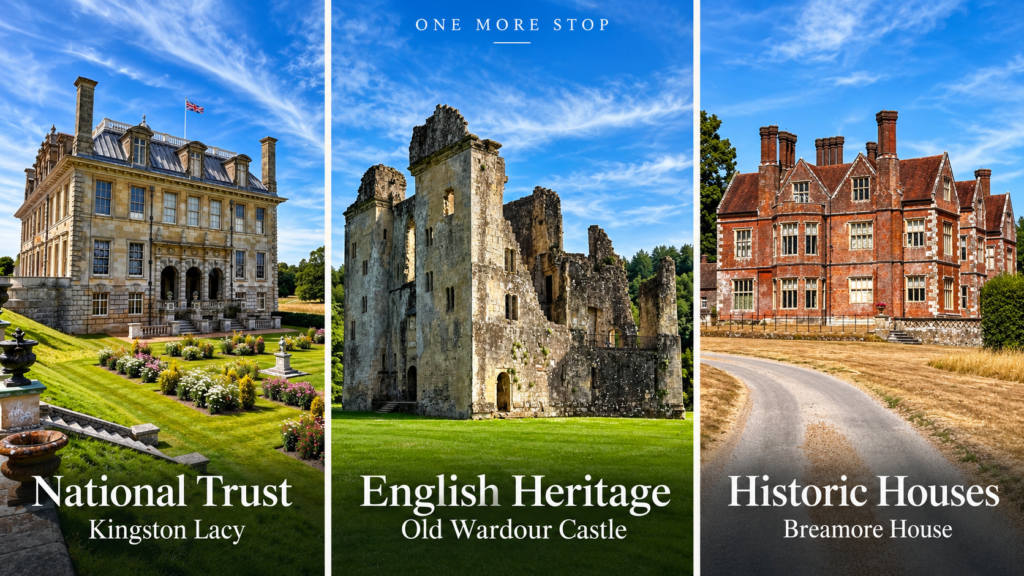
National Trust vs English Heritage vs Historic Houses — if you enjoy exploring Britain’s historic places, choosing between these memberships can be surprisingly difficult. Which one will you actually use most? And is there any point in having more than one?
I currently have all three. Exploring their different properties has helped me understand what each adds to my weekends and road trips — and why the cheapest annual fee isn’t necessarily the best guide to value.
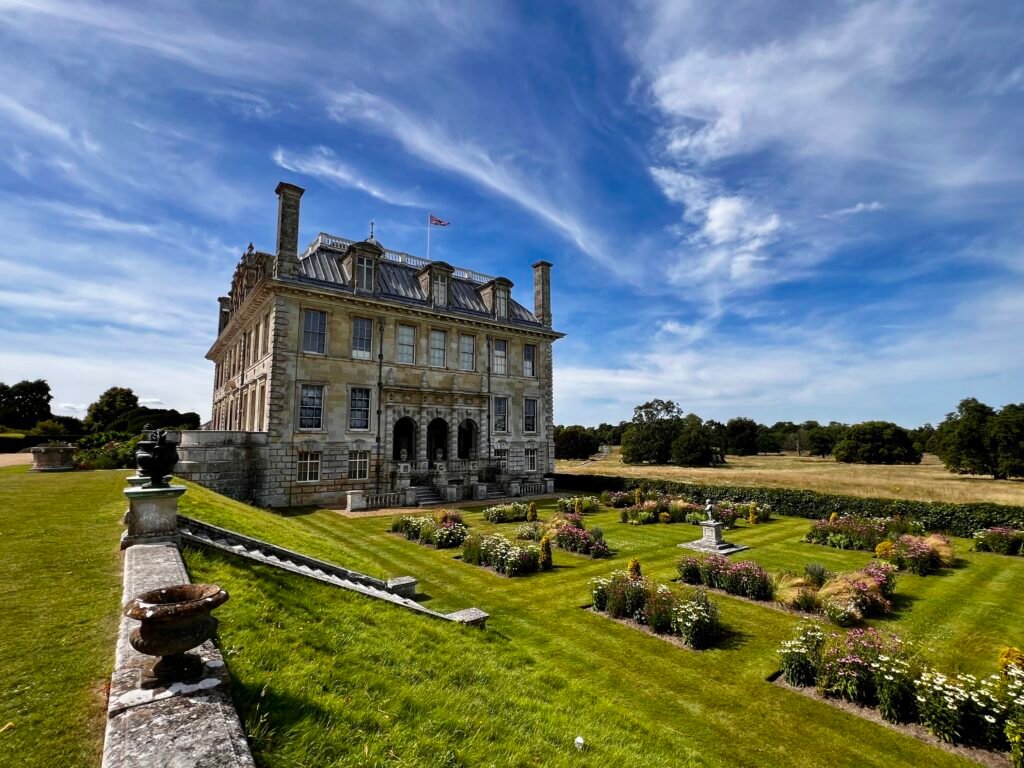
My visits have ranged from the house and gardens at Kingston Lacy to the ruins of Old Wardour Castle and the red-brick grandeur of Breamore House. All three are historic places, but they offer different experiences. That matters when you’re choosing a membership you’ll want to use throughout the year.
I’ve already written individual reviews of National Trust membership, English Heritage membership and Historic Houses membership. This guide brings them together, comparing the kinds of days out they offer, the practical differences and who each membership might suit.
For me, the useful question is simple: which membership gives you more of the places you actually want to stop for?
National Trust vs English Heritage vs Historic Houses at a Glance
For a quick National Trust vs English Heritage vs Historic Houses comparison, this is how I’d describe their different strengths based on my visits so far.
| National Trust | English Heritage | Historic Houses | |
|---|---|---|---|
| Main appeal for me | A broad mix of history, gardens and outdoor days out | Castles, atmospheric ruins and ancient history | Independently owned houses, interiors and gardens |
| Examples of places I’ve visited | Kingston Lacy, Corfe Castle and Mottisfont | Old Wardour Castle, Stonehenge and Kenilworth Castle | Breamore House, Athelhampton and Lulworth Castle |
| Who I’d suggest it to | Someone who enjoys countryside and coast as much as historic buildings | Someone drawn to castles, abbeys, archaeology and ruins | Someone who enjoys exploring individual houses and estates |
| Main membership benefit | Entry to places in its care, plus free parking at most National Trust car parks | Entry to English Heritage sites, including major paid attractions | Free entry at participating independently owned properties |
| What to check | Which parts of a property are open and whether booking is needed | Opening dates, booking requirements and any separately charged experiences | Whether free member entry applies, opening dates and any parking charges — check the Historic Houses listing and the property’s own website. |
The places listed above are just a few examples from my visits with each membership. With Historic Houses, don’t assume free admission includes free parking: parking charges can apply separately, so check the Historic Houses listing and the property’s own website before travelling.
There’s plenty of overlap. National Trust has castles, English Heritage has houses and gardens, and Historic Houses includes much more than country mansions. These are useful starting points, rather than rigid categories.
For me, National Trust offers the widest variety of days out, English Heritage most closely matches my love of ruins and older history, and Historic Houses adds another collection of individual places and stately homes to discover.
You can check the full benefits and current terms on the official National Trust membership, English Heritage membership and Historic Houses membership pages.
How Much Do the Three Memberships Cost?
The annual fee is an obvious starting point when comparing memberships, but I’d always weigh it against the places you’re likely to visit.
Here are the standard adult prices checked in September 2026, excluding promotional discounts.
| Membership | One adult | Two adults |
|---|---|---|
| National Trust | £100.80 | £168 |
| English Heritage | £84 | £149 |
| Historic Houses | £71 | £134 |
National Trust and English Heritage joint memberships require both adults to live at the same address. Historic Houses lists its price as £71 for the first member and £63 for an additional person in the household. Age concessions and family arrangements differ, so check the linked official pages for the option that fits you.
Historic Houses has the lowest standard individual fee of the three, but that doesn’t automatically make it the best value for everyone. A cheaper membership won’t save much if the places you want to visit are too far away or rarely open when you’re free.
I’d start by choosing a few places I genuinely want to visit, checking their normal admission prices and seeing how those add up against the annual fee. Include repeat visits if you’re likely to return, and any parking savings or additional charges.
For example, if your planned visits would otherwise cost £20 each in admission, five visits would total £100. That’s just an illustration, rather than an average ticket price, but it shows why your own plans matter more than the headline membership cost.
For me, the value comes from having places I’m excited to explore — and enough opportunities to actually get there.
National Trust: For a Variety of Days Out
Of the three memberships, National Trust gives me the broadest mix of days out. I can build a visit around a historic house, spend time exploring gardens or choose somewhere for the landscape and a walk.
Kingston Lacy is a good example of that combination, with its house, formal gardens and wider grounds. But it’s only one of the National Trust places I’ve visited. Corfe Castle offers a very different experience, while places such as Mottisfont, Lytes Cary Manor and Barrington Court have added variety to my trips.
That flexibility is what makes the membership useful to me. A property can be the main reason for a journey, or another stop along a route I’m already taking. I don’t always need a full afternoon exploring interiors to feel that a visit has been worthwhile.
There’s a practical benefit too: membership includes free parking at most National Trust car parks. If you regularly use those car parks for countryside or coastal walks, that can contribute to the value alongside admission savings. Many outdoor places are already free to enter, though, so it’s worth distinguishing between paying for admission and paying to park. You can check what’s included on the National Trust membership page.
I’d lean towards National Trust if you want a mixture of historic buildings, gardens and time outdoors. It’s particularly appealing when your idea of a good weekend changes with the weather — or simply with your mood.
If your wish list is mostly ancient monuments and ruined abbeys, I’d compare the specific places on that list with English Heritage before deciding. National Trust has plenty of history, but its wider variety is what makes it stand out for me.
English Heritage: For Castles, Ruins and Ancient History
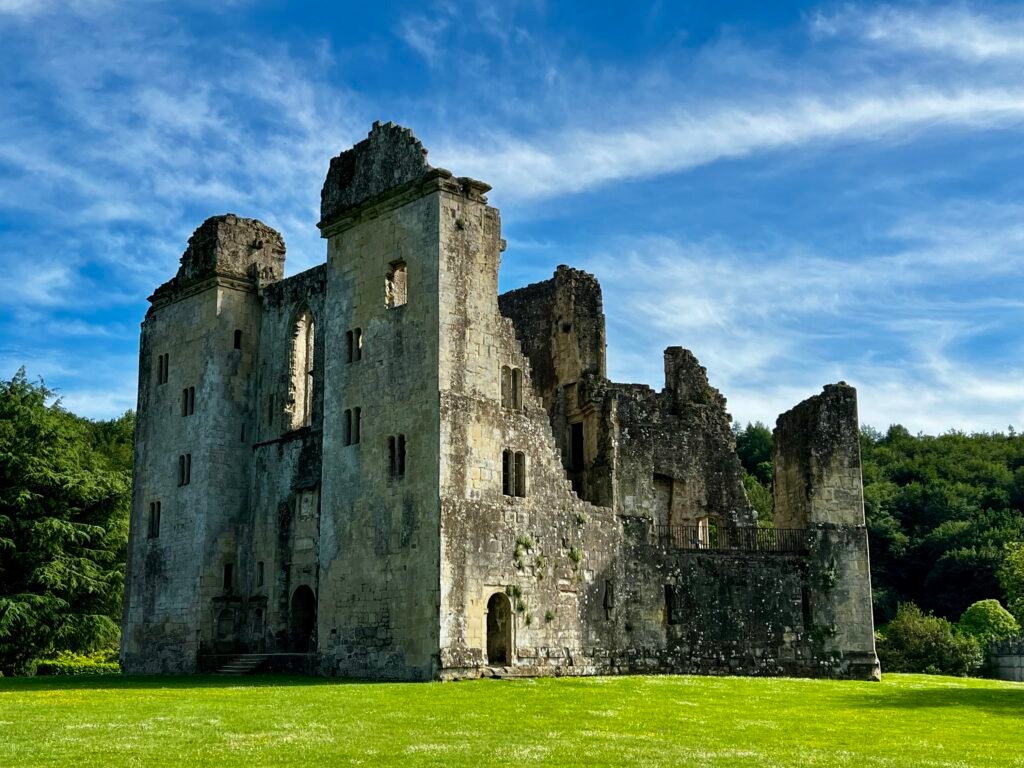
English Heritage comes closest to my particular love of castles, ruins and older history. There’s something about walking through a ruined building, looking up at what survives and imagining what once stood around you that really appeals to me.
Old Wardour Castle, Kenilworth Castle and Stonehenge are just a few examples from my visits. They offer very different experiences, from exploring medieval ruins to encountering a prehistoric monument. Smaller places such as Knowlton Church have also been part of that journey.
That distinction matters when deciding whether membership is worth paying for. Some English Heritage sites are already free to visit, so you don’t need membership to enjoy every place in its care. Knowlton Church, for example, is somewhere I can appreciate without using my membership card.
I’d therefore judge the financial value by the paid attractions I actually want to visit, including any I’d return to. Counting every English Heritage stop as an admission saving would give a misleading picture.
Compared with National Trust, my reasons for choosing an English Heritage day out tend to be more focused on the historic site itself. I’m usually going because I want to explore that castle, abbey or monument. That’s a reflection of my interests, though: English Heritage also has furnished houses and gardens, so it isn’t all ruined walls and open skies.
I’d lean towards English Heritage if castles, archaeology and ancient places dominate your wish list. Look through its places to visit and check which of your favourites charge admission before deciding.
For my own trips, it’s often the membership that answers the question: “Where can I find another fascinating ruin?”
Historic Houses: For Independent Houses and Gardens
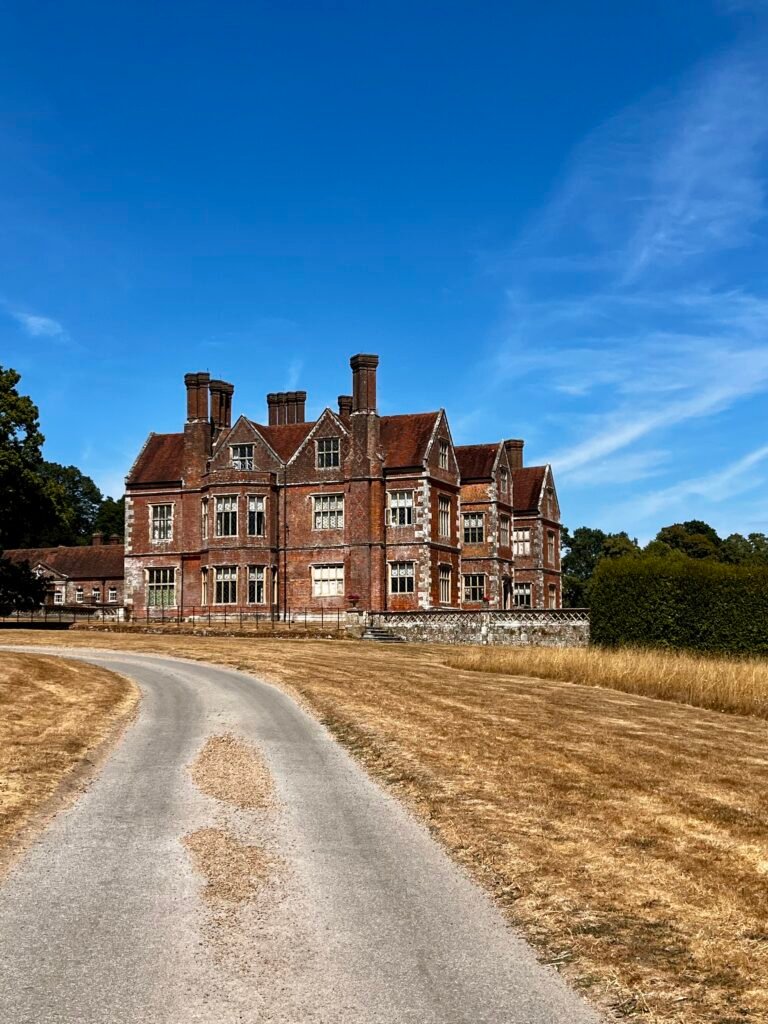
Historic Houses adds a different dimension to my days out: independently owned properties with their own character, collections and ways of welcoming visitors. It represents a network of historic places rather than owning and managing them all itself.
Breamore House, Athelhampton, Lulworth Castle and the Hospital of St Cross are just a few examples of the places I’ve visited. Even within that small selection, the experiences vary considerably — from exploring a country house and its gardens to discovering a medieval charitable foundation.
For me, the appeal is finding places I might otherwise have overlooked. Athelhampton combines the architecture, interiors and gardens I enjoy, while the Hospital of St Cross was a reminder to look beyond the obvious country-house names.
There’s more planning involved, though. Being associated with Historic Houses doesn’t automatically mean a property offers free entry to members. Check the individual listing for participation, opening dates, booking requirements and any restrictions before setting off. The official Historic Houses membership guide is a useful starting point.
Parking needs a separate check too. Free member admission doesn’t necessarily include free parking, so I’d look at both the Historic Houses listing and the property’s own website when working out the cost of a visit.
I’d lean towards Historic Houses if you particularly enjoy houses, interiors and gardens, and have several participating properties you’re keen to explore. Their opening arrangements need to fit your free time as well as their locations fitting your travel plans.
Alongside my other memberships, its value is the extra choice it gives me. It puts another collection of interesting places on the map — and gives me more reasons to take a turn I might otherwise have driven past.
How to Choose the Right Membership for You
When deciding between National Trust vs English Heritage vs Historic Houses, I’d start with your own map and calendar. The most useful membership is the one that fits the trips you can realistically make.
Choose five places you genuinely want to visit. Check which membership covers them, whether member admission applies and how far you’d need to travel. Include places near home as well as any along a holiday or road-trip route you already have planned.
Then check the opening arrangements against your free time. A house might look wonderful, but limited weekday opening won’t help much if you can only visit at weekends. Seasonal closures, timed entry and advance booking can also affect your plans.
Think about what makes you want to return, too. Would you revisit a garden as the seasons change, use a nearby estate for regular walks or happily explore the same castle again? Several visits to a favourite place can be just as valuable as discovering somewhere new every time.
Finally, add up the admission charges you would actually pay, plus any parking savings. Keep travel costs and separately charged activities in mind. A membership may cover the entrance, but the rest of the day still needs to fit your budget.
My starting point would be:
- National Trust for a mixture of historic houses, gardens, countryside and coast.
- English Heritage if castles, ruins and ancient monuments are your biggest draw.
- Historic Houses if independently owned houses and gardens feature heavily on your wish list.
Those are starting points, not strict boundaries. Let the places you want to explore guide the decision. You don’t need to join all three to have a year full of memorable days out.
Is It Worth Having More Than One Heritage Membership?
Having more than one heritage membership can make sense if you’ll regularly use each one. I currently have all three because exploring historic places has become a regular part of my weekends and UK road trips.
The benefit for me is choice. When I’m planning a route, I can look across the three memberships and see what interests me along the way. A National Trust garden, an English Heritage ruin and an independently owned house might each offer a different reason to stop.
But I wouldn’t suggest buying several memberships simply because they all sound appealing. Each additional membership needs to earn its place in your plans. If one already gives you plenty to explore, there’s no rush to add another.
Before joining a second organisation, I’d make a separate list of places it would add to my year. Are they somewhere I’m likely to visit, or just places I like the idea of visiting? Would I have enough free weekends to use both memberships?
Starting with one can also help you discover what you enjoy most. You might find yourself returning to gardens throughout the year, seeking out increasingly remote ruins or becoming fascinated by historic interiors. That experience gives you a better basis for choosing another membership later.
For me, the three complement each other. For someone with fewer opportunities to travel, one well-used membership could offer better value than three that mostly stay in a drawer.
National Trust vs English Heritage vs Historic Houses: My Final Verdict
For me, National Trust vs English Heritage vs Historic Houses comes down to the kind of day out I’m hoping to have.
National Trust is my choice for variety. It suits those weekends when a historic house, a garden or time outdoors could all be equally appealing.
English Heritage most closely matches my love of castles, ruins and ancient history. If I’m choosing purely on that particular interest, it has the strongest pull.
Historic Houses adds the pleasure of discovering independently owned places, each with its own setting and story. It rewards looking a little further and checking the details before travelling.
Having all three works for the way I currently explore, but that isn’t a requirement for enjoying Britain’s heritage. I’d choose the membership covering the places you’re most excited to visit, use it well and consider adding another when your plans justify it.
The real value is in the days you actually spend out exploring: the room that makes you pause, the view beyond a ruined wall or the unexpected place that becomes the highlight of your trip.
That’s what I want from a membership — another reason to get out, look around and see where the journey takes me.
One journey. One story. One more stop.