
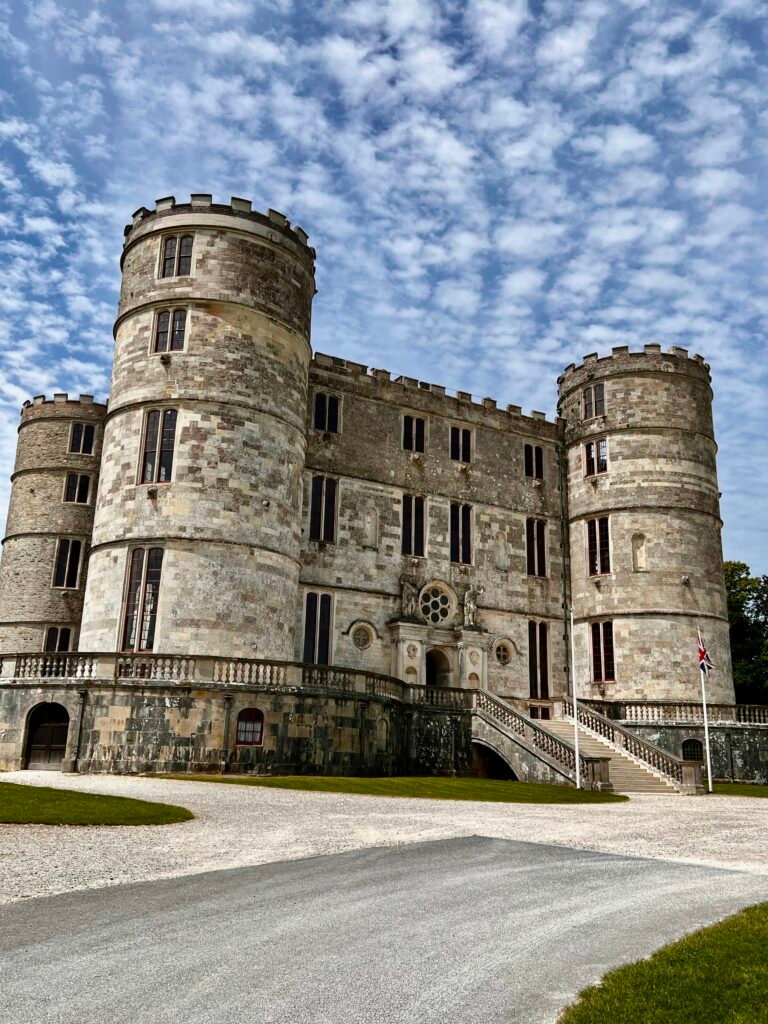
Is Historic Houses membership worth it? After using mine at Athelhampton House, Breamore House, Lulworth Castle, Arundells and the Hospital of St Cross, I think it can be excellent value—but it is the least straightforward of my three heritage memberships.
Unlike the National Trust or English Heritage, Historic Houses does not own and operate one large collection of attractions. It represents independently run houses, castles and gardens, and participating owners decide when and how members can visit.
That independence is both the membership’s greatest strength and its biggest complication.
You can discover distinctive historic places that may still be family homes, encounter rooms and collections that feel far more personal and visit properties you might never otherwise have heard of. However, opening dates can be limited, admission arrangements vary and a membership card does not automatically unlock every property connected with the organisation. My archived 2026 autumn historic-house events roundup shows examples of special openings worth researching, although those particular event dates have passed.
An individual membership currently costs £71 a year. For me, it has been worth joining—but only because I enjoy actively searching for unfamiliar historic places and am willing to check the arrangements before setting off.
This is not quite a “turn up anywhere whenever you fancy” membership. It rewards curiosity, flexibility and a reasonably organised calendar.
Three qualities that do not always arrive together. 😆
What Do You Actually Get With Historic Houses Membership?
The headline benefit is free standard admission to hundreds of participating historic houses, castles and gardens around the UK.
Historic Houses says the number taking part in its member-access scheme has remained at around 300 in recent years. However, this is not the same as receiving free entry to every property listed anywhere on its website.
The admission offers come directly from the individual houses and gardens. Each property can therefore set its own opening dates, booking requirements and exclusions.
Membership also includes:
- A quarterly Historic House magazine.
- A printed handbook covering participating properties.
- Monthly online lectures and archived digital content.
- Preferential or exclusive opportunities to buy tickets for special tours.
- Selected member offers and promotions.
- Support for Historic Houses’ work representing independent heritage.
Those owner-guided and behind-the-scenes tours can be one of the most interesting benefits, especially when they provide access to privately occupied houses or normally closed rooms. However, “exclusive access” does not necessarily mean “included in the membership fee.” Many tours require a separate paid ticket.
For ordinary visits, you will need to present your own named physical or digital membership card. Every person claiming member admission needs a valid card.
The benefit I use most is still free standard admission. Once I know a property is participating on my chosen date, I can plan a visit without adding another full entrance fee to the weekend.
How Much Does Historic Houses Membership Cost?
Historic Houses membership currently costs:
| Membership | Annual price |
|---|---|
| First household member | £71 |
| Each additional person at the same address | £63 |
| Two people at the same address | £134 |
Prices were checked in September 2026. Historic Houses allows payment by card or recurring annual Direct Debit, but it does not currently advertise a monthly payment option.
It also says that it charges the same standard rate regardless of age or circumstances. The saving applies when additional members join from the same household rather than through separate senior, student or family categories.
For a single £71 membership, the effective cost falls like this:
| Eligible visits during the year | Effective membership cost per visit |
|---|---|
| 2 | £35.50 |
| 3 | £23.67 |
| 4 | £17.75 |
| 5 | £14.20 |
| 6 | £11.83 |
| 8 | £8.88 |
If the eligible properties you genuinely want to visit normally charge approximately £15–£20, four or five visits could be enough to recover the individual membership fee.
But the word eligible matters.
Only count visits where your card will actually provide free admission. Do not include special events, dates excluded from the access offer or properties where membership covers only a garden you would not otherwise have paid to see.
There is also no network-wide free-parking benefit equivalent to those offered at many National Trust and English Heritage locations. Individual properties may charge for parking or additional attractions.
Before joining, I would make a realistic list of nearby properties, check their normal adult prices and total only the visits I am likely to make during valid member-access dates.
That produces a much more useful answer than simply looking at the hundreds of properties available nationally.
For current prices, check the official Historic Houses membership page.
What Makes Historic Houses Different?
The membership’s distinctive quality is not simply that its properties are old. It is that they remain independently run.
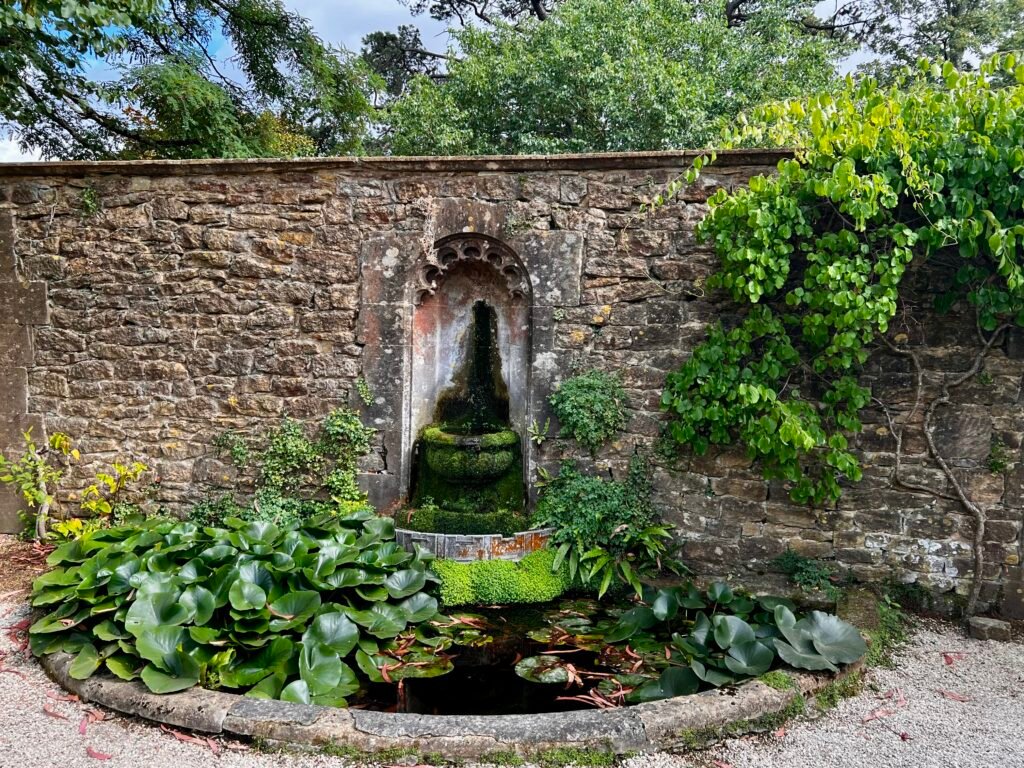
Many are still lived-in family homes. Others are operated by trusts, foundations or estate businesses. Some open regularly with cafés, shops and established visitor facilities; others welcome visitors for only a few weeks or even a handful of days each year.
As a result, the experiences feel less uniform.
You may be shown around by a guide with a close connection to the property, encounter rooms that still feel like part of a home or discover a house that does not resemble a conventional tourist attraction at all.
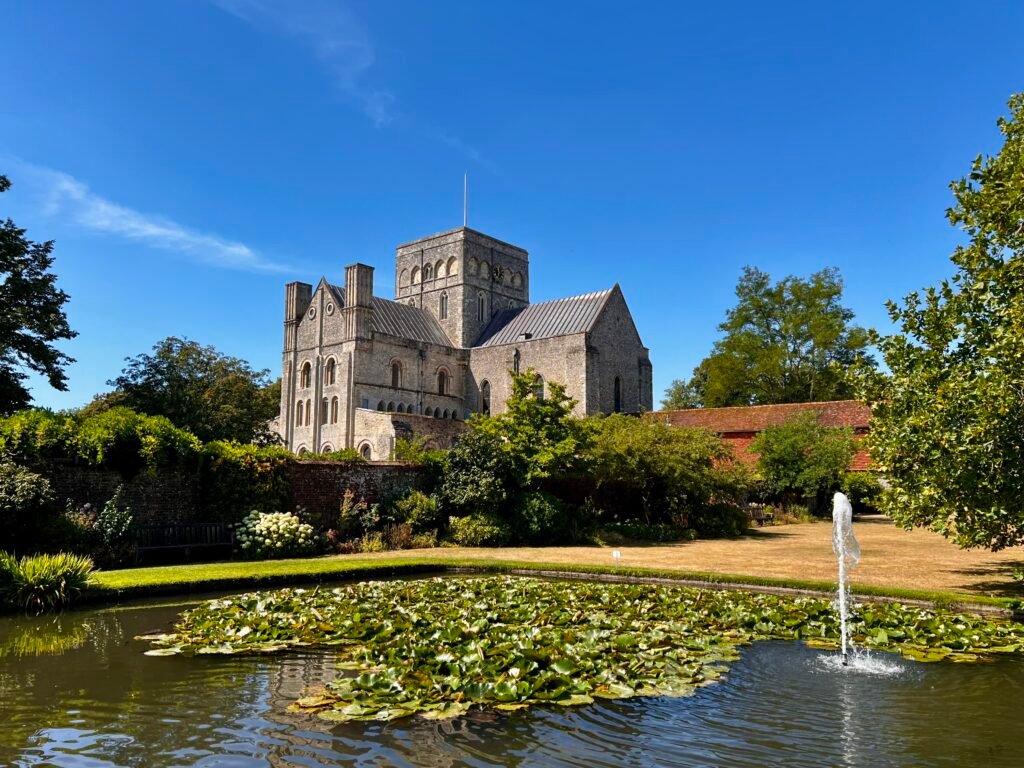
The Hospital of St Cross in Winchester was one of my nicest surprises. Its name had led me to imagine some sort of historic medical building. Instead, I found a remarkable medieval charitable foundation with an impressive church, almshouses and beautifully peaceful grounds.
That sense of discovery is where Historic Houses excels.
The disadvantage is that you cannot assume every property will follow the same rules. One may allow photography and independent exploration; another may offer guided access only. One may open throughout the summer; another may offer six dates that all somehow occur while you are working. Naturally. 😂
Historic Houses works best when that individuality feels intriguing rather than inconvenient.
My Experience Using Historic Houses Membership
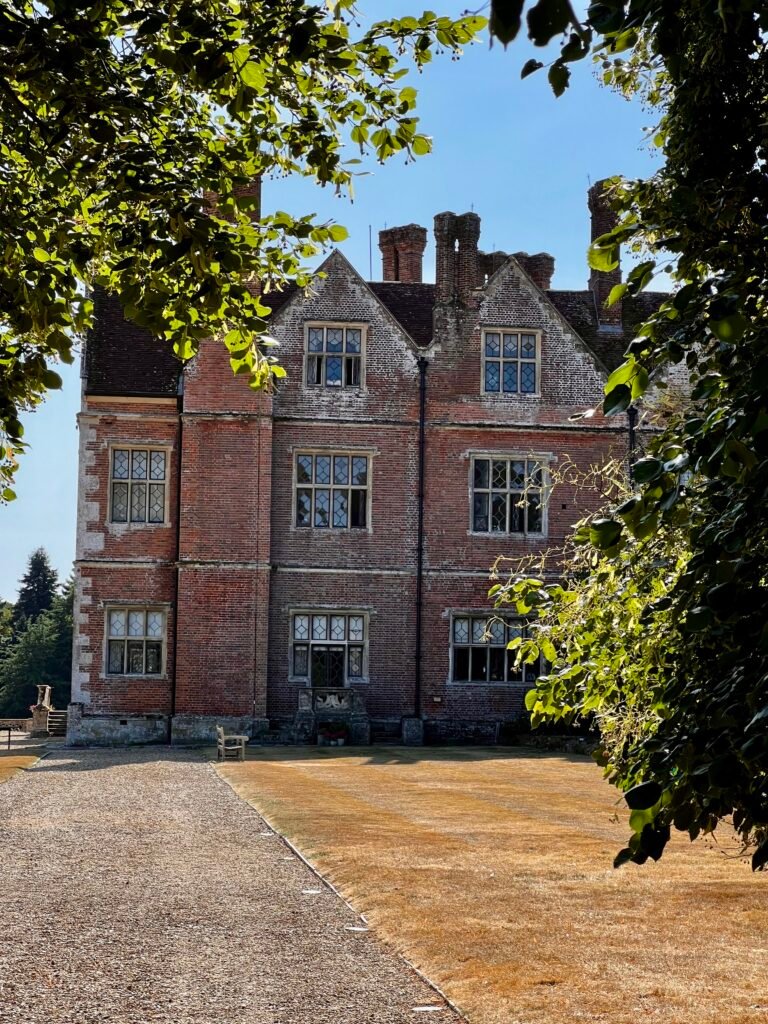
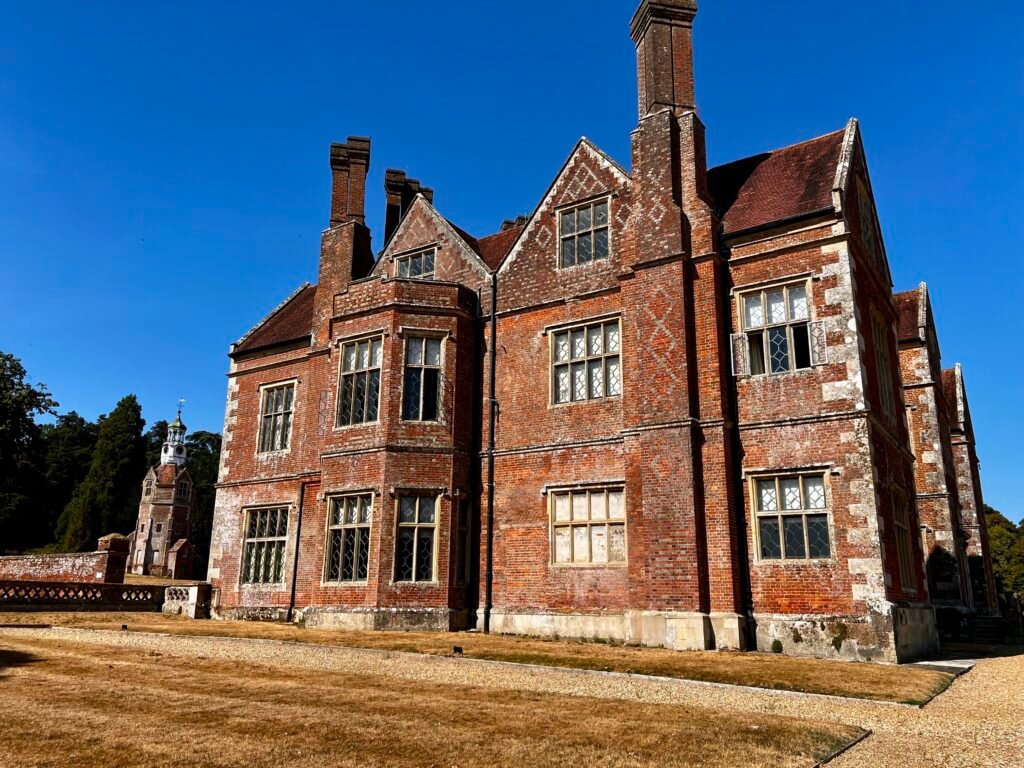
So far, I have used my membership at a varied collection of places, including Athelhampton House, Breamore House, Lulworth Castle, Sherborne Castle, Highcliffe Castle, the Hospital of St Cross, Chawton House and Arundells. I’ve also brought together my Historic Houses visits and stories, with more individual properties being added as I explore them.
Some have suited my interests far more closely than others.
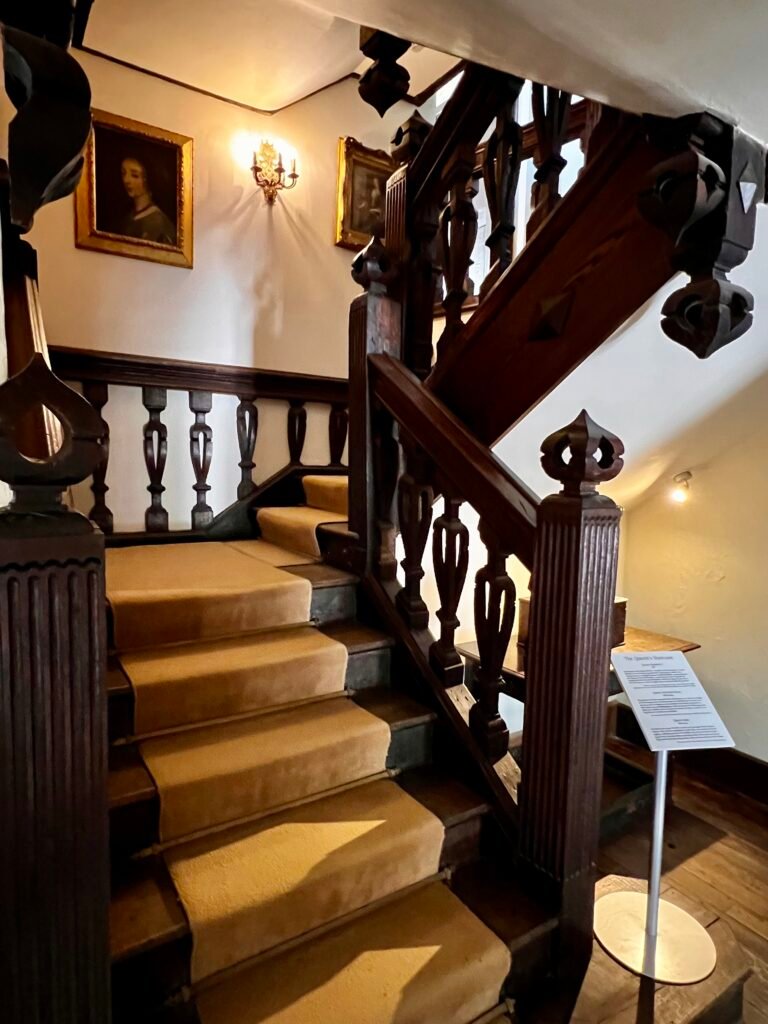
Athelhampton House is probably closest to the experience I originally imagined: beautiful historic interiors, detailed architecture and gardens substantial enough to form an important part of the visit.
Breamore House and Lulworth Castle provide very different settings, while the Hospital of St Cross was particularly enjoyable because I knew relatively little about it beforehand. The visit felt like a genuine discovery rather than another famous attraction being ticked off a list.
Not every property has impressed me equally.
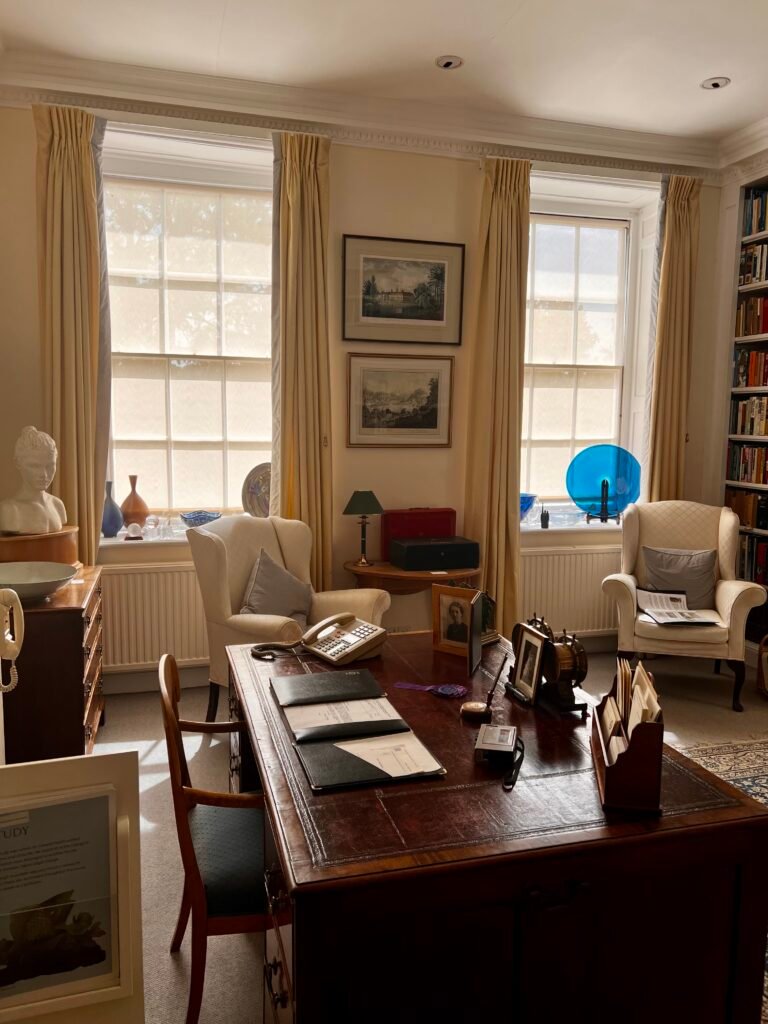
Chawton House did not particularly wow me, while Arundells focuses heavily on Sir Edward Heath’s life, political career and personal collections. It was interesting, but relatively recent political history is not what attracts me most strongly to historic properties.
That is personal preference rather than a criticism of either place. Someone interested in Jane Austen’s world or twentieth-century British politics could easily reach the opposite conclusion.
Membership provides access; it cannot guarantee that every property will match your interests.
The useful lesson has been to look beyond the words “historic house.” Check the period, surviving interiors, gardens, collections and type of access before deciding whether somewhere is worth the journey.
Things to Know Before You Join Historic Houses
Historic Houses membership requires more preparation than my National Trust or English Heritage memberships.
Before every visit, I would check both the Historic Houses listing and the property’s own official website.
In particular, confirm:
- Whether the property currently offers member admission.
Being associated with Historic Houses does not automatically mean it participates in the free-access scheme. - Whether your chosen date is an ordinary opening day.
Special events, charity openings and access by appointment are normally excluded. - Which areas are included.
At a small number of properties, membership may cover the garden but not the house. Special exhibitions, playgrounds, museums or other separately ticketed areas may also cost extra. - Whether advance booking is required.
Some properties require members to reserve a time slot. Others do not allow advance booking for free member admission, meaning entry depends on available capacity. - Whether parking costs extra.
Free parking is not a standard Historic Houses membership benefit. - Whether the property is still open as advertised.
These can be homes, wedding venues and filming locations as well as visitor attractions. Short-notice changes occasionally happen. - Whether indoor photography is allowed.
Rules vary substantially, which matters particularly if you hope to photograph the visit.
Historic Houses itself advises against joining purely because you want repeated access to one particular property. Admission offers can change, and that property’s own annual pass or supporter scheme may be more appropriate.
The membership is strongest when you want to discover numerous independent places rather than use it as a season ticket for one favourite house.
One useful administrative detail is that annual memberships run until the final day of a calendar month. Your first membership period may therefore last slightly longer than twelve months, depending on the date you join.
If you pay by card, Historic Houses says it normally emails a temporary membership card within 30 minutes. That is useful if patience is not among the historical qualities you possess.
Read the official Historic Houses membership FAQs before purchasing.
How Does Historic Houses Compare With National Trust and English Heritage?
The three memberships overlap, but they are not interchangeable.
The National Trust gives me the broadest selection of days out: furnished houses, gardens, countryside, coast, villages and landscapes. It is generally the easiest of the three to use spontaneously because so many properties have regular opening arrangements. Read my complete review of whether National Trust membership is worth it.
English Heritage is the strongest match for my interest in castles, abbeys, archaeological sites and ruins. Its properties frequently require more historical imagination, but they cover an enormous span of time. I have reviewed whether English Heritage membership is worth it separately.
Historic Houses offers something less predictable. Its independently owned properties can feel more personal and unusual, but limited opening dates and individual admission arrangements require more homework.
In simple terms:
| Membership | Particularly good for |
|---|---|
| National Trust | Houses, gardens, coast, countryside and flexible days out |
| English Heritage | Castles, ruins, abbeys, archaeology and ancient monuments |
| Historic Houses | Independent homes, private estates, unusual interiors and limited openings |
None is automatically best. The right choice depends on the type of place you most enjoy and which properties are realistically accessible from where you live.
My full National Trust vs English Heritage vs Historic Houses comparison examines those differences in much more detail.
Who Is Historic Houses Membership Best For?
Historic Houses membership is a particularly good fit if you:
- Enjoy historic houses, architecture, interiors and gardens.
- Want to discover independently owned or lesser-known properties.
- Are interested in privately occupied homes and owner-guided tours.
- Have several participating places within practical travelling distance.
- Regularly incorporate heritage into weekends and UK road trips.
- Are willing to organise visits around limited opening dates.
- Do not mind checking individual admission rules before travelling.
It may be less suitable if you:
- Want to turn up spontaneously without checking arrangements.
- Expect free parking everywhere.
- Mainly prefer castles, ruins and ancient monuments.
- Want every property to offer a full day of activities.
- Have only one participating attraction nearby.
- Are joining primarily for unlimited visits to one particular house.
Before buying, use the official Historic Houses property map to identify participating places you genuinely want to visit.
Then check their individual access offers and opening dates.
If you can find four or five eligible visits that fit your interests and calendar, the £71 fee may be fairly easy to recover. If every interesting property is three hours away or opens exclusively on alternate Tuesdays during a full moon, the national total becomes considerably less relevant.
So, Is Historic Houses Membership Worth It?
For me, Historic Houses membership has been worth joining—but for different reasons from National Trust or English Heritage membership.
It is not the easiest card to use. The independent admission offers, limited opening dates and varying booking arrangements mean I cannot simply choose any associated property and assume everything will be included.
However, that same independence gives the membership its character.
It has introduced me to places I might never have searched for, from a medieval charitable foundation in Winchester to family-owned houses, private estates and properties with very individual collections.
My simplest decision test is this:
Find at least four or five participating properties you genuinely want to visit, confirm that the member access applies when you can go and compare their normal admission costs with the £71 fee.
If the figures work—and the prospect of seeking out unusual historic homes sounds exciting rather than exhausting—the membership can offer excellent value.
If you mainly want one particular house, investigate that property’s own annual pass instead. If you prefer spontaneous visits, extensive opening hours and consistent benefits, National Trust or English Heritage may be easier to use.
Historic Houses requires a little more planning, but it opens doors that my other memberships do not.
For somebody like me, who is constantly looking at a map and wondering where else I can stop, that is exactly the attraction.
And I have still only explored a small part of it.
One journey. One story. One more stop.