Cheltenham turned out to be one of those places that became more enjoyable the longer I stayed. What started as an afternoon wandering among Regency buildings, fountains and gardens gradually turned into a completely different experience as the lights came on and the town filled with people.
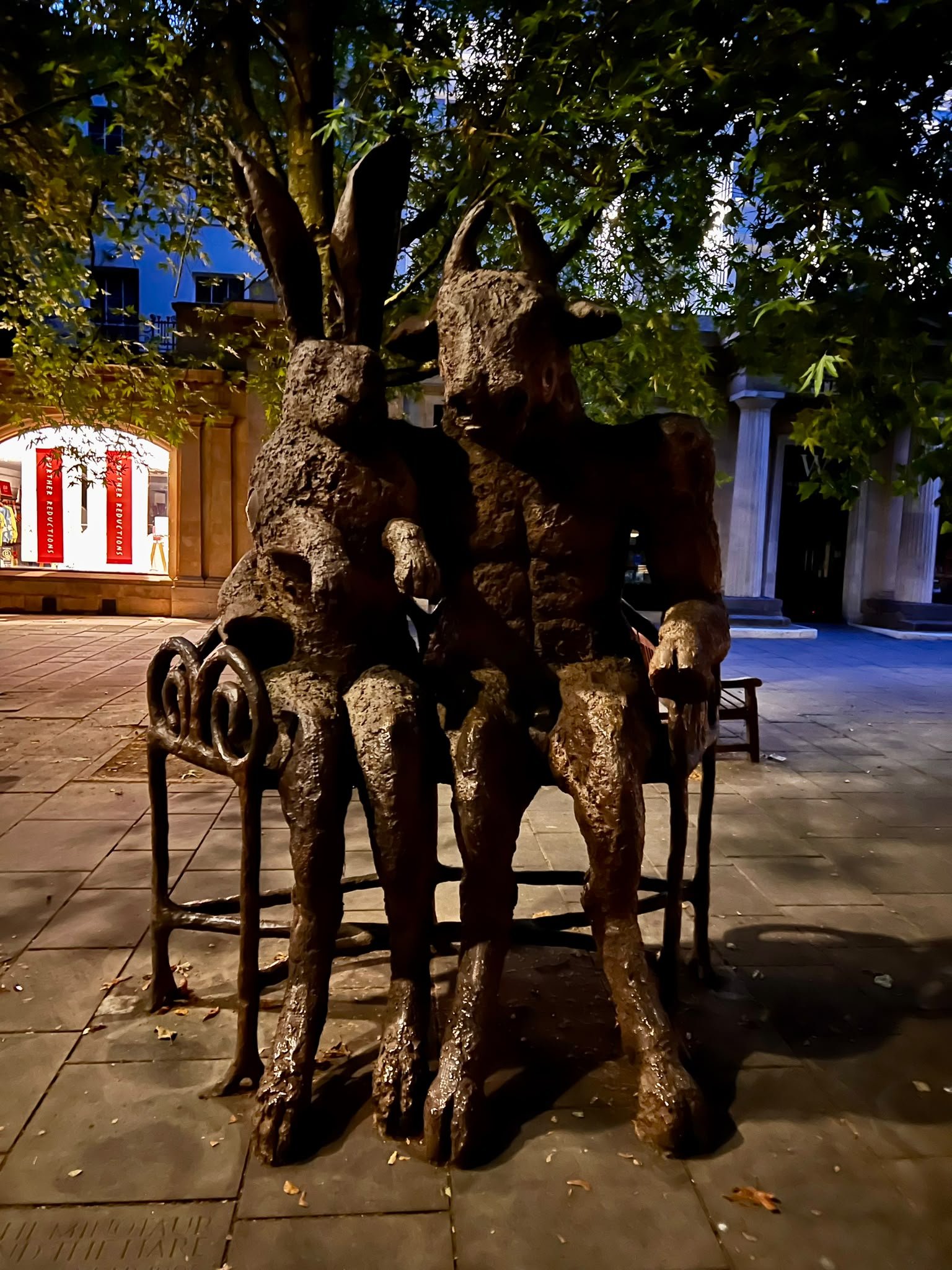
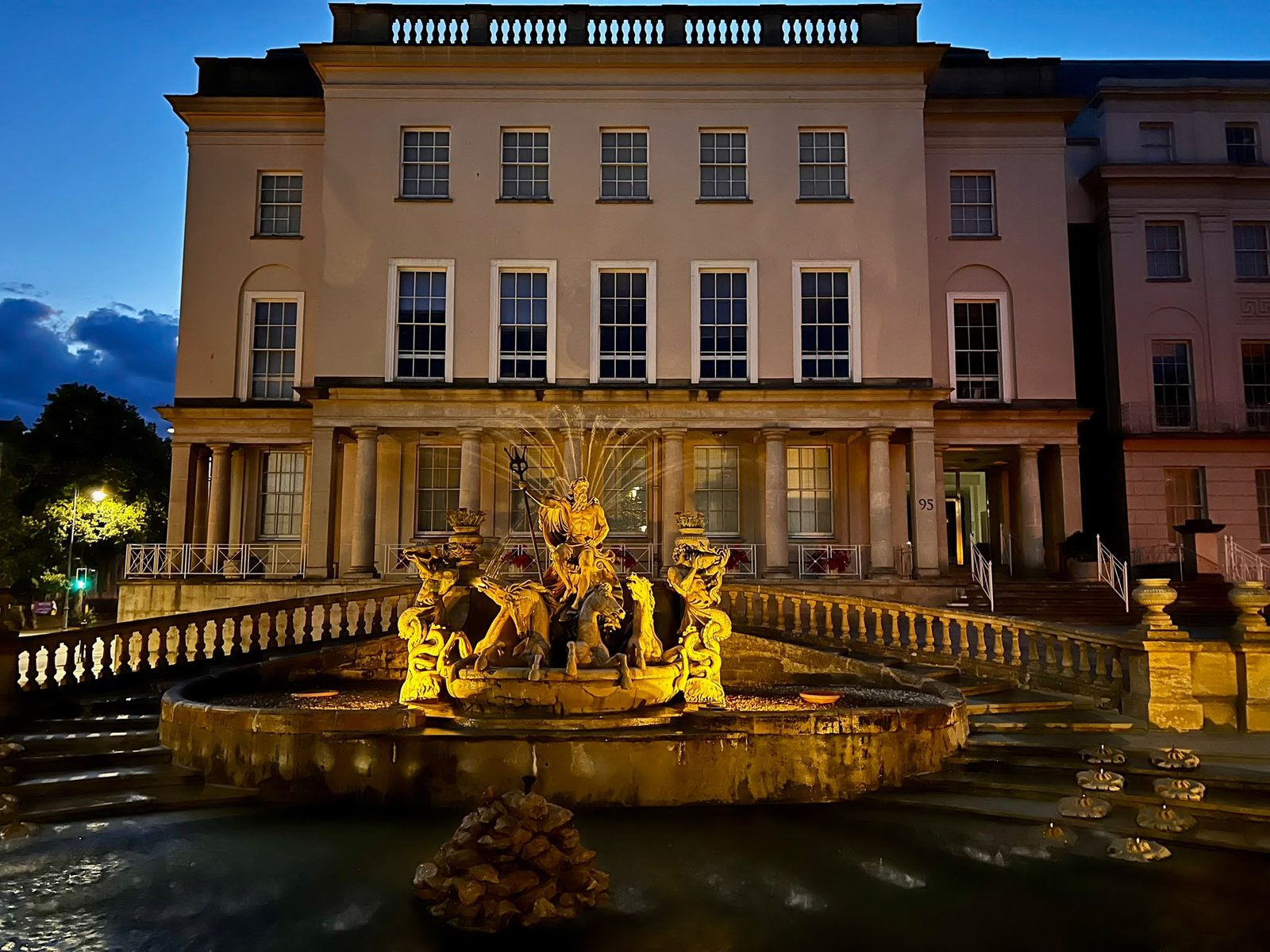
This Cheltenham photo gallery follows that walk from the elegant streets and colourful flower beds of Imperial Gardens through to Cheltenham after dark — including Neptune’s Fountain, some wonderful architectural details and one rather unexpected encounter with a giant hare and a Minotaur.
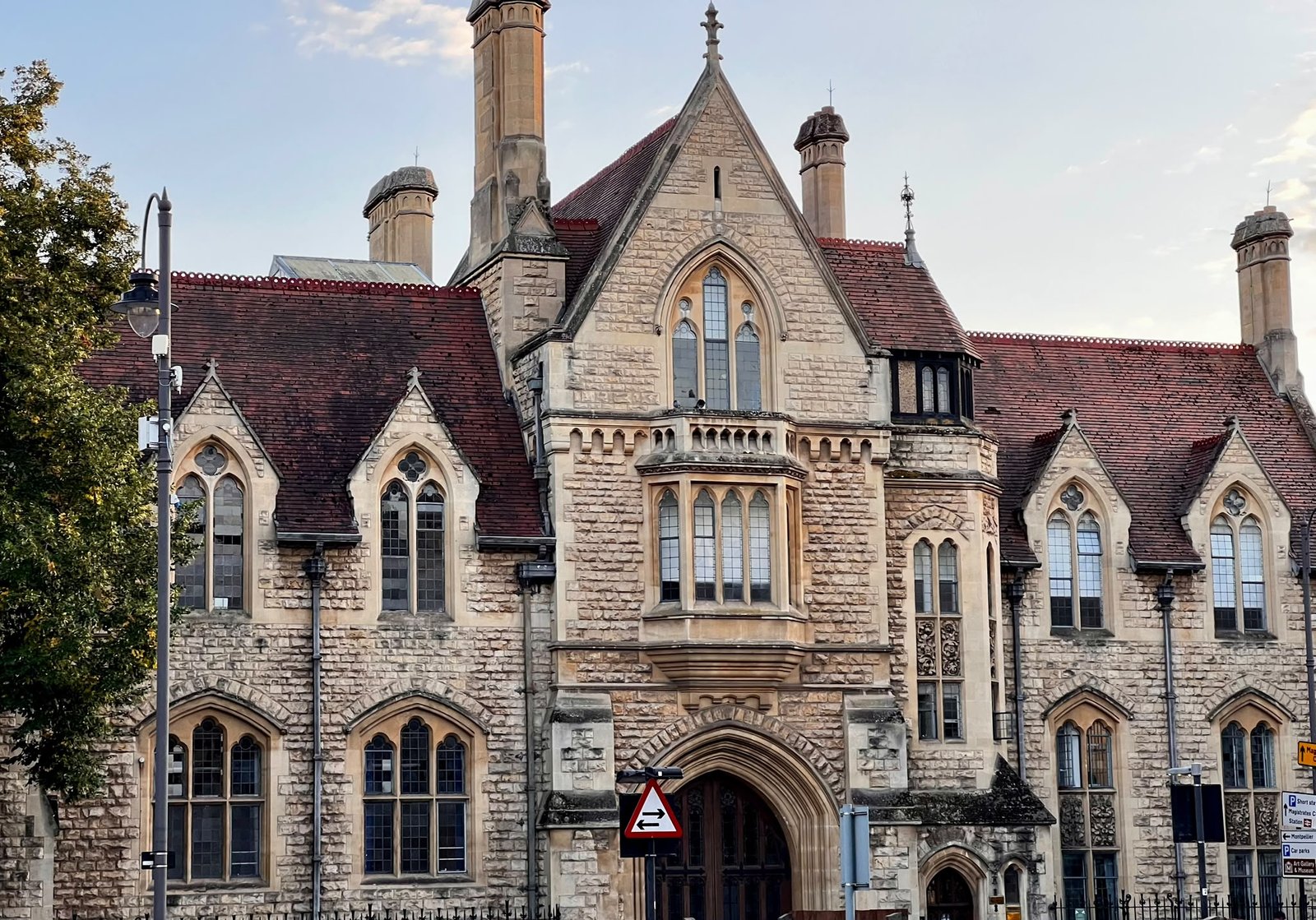
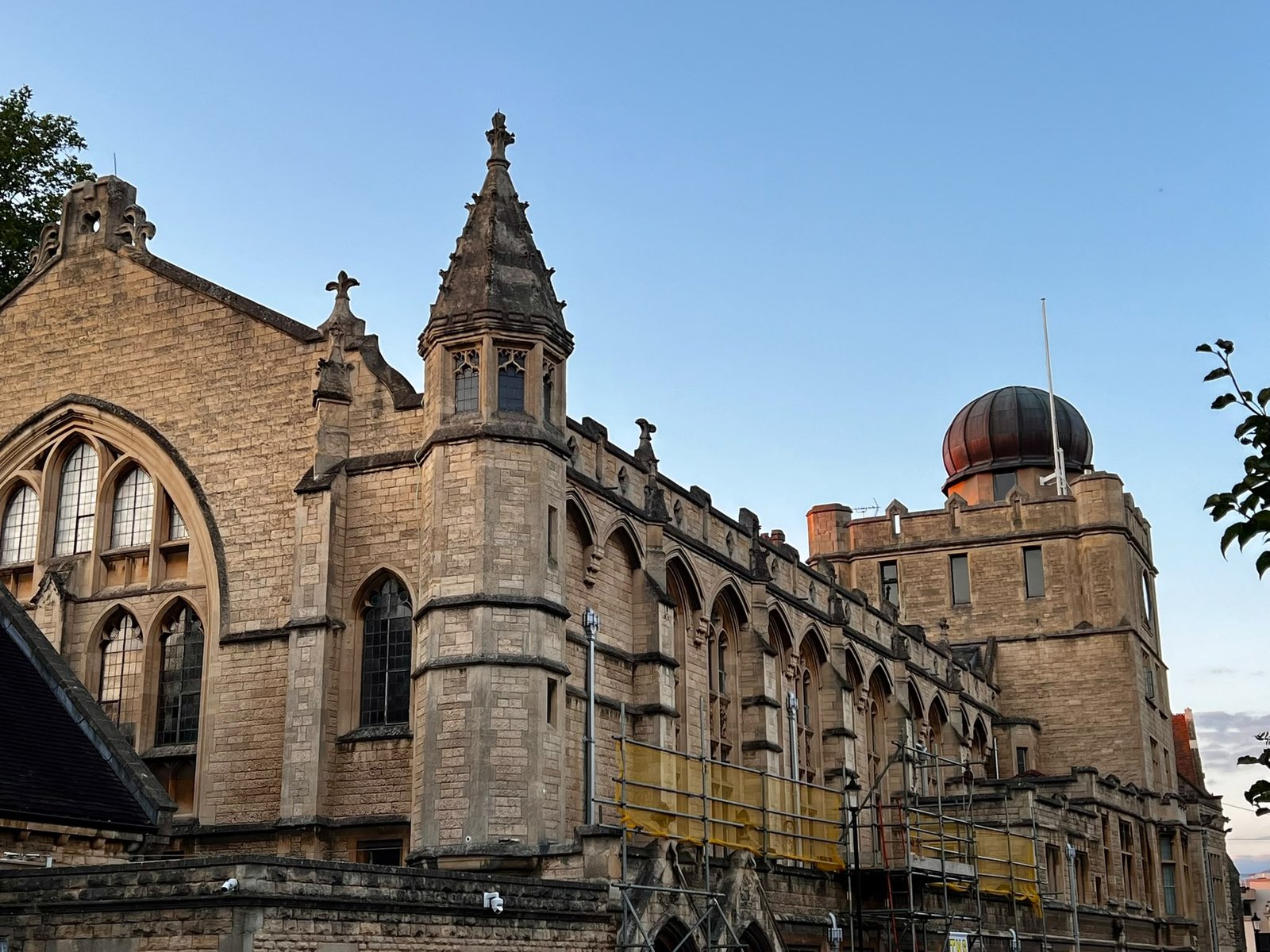
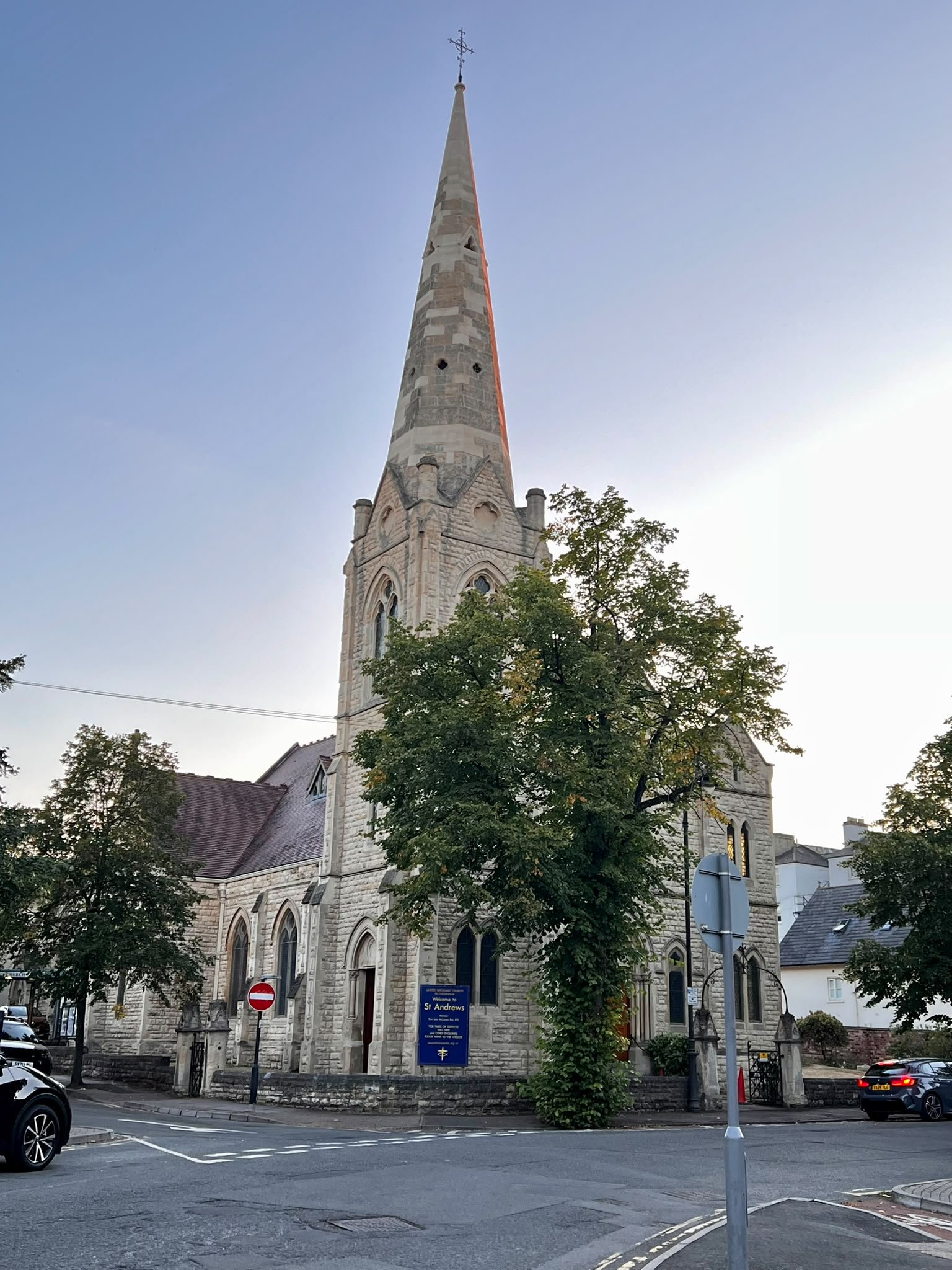
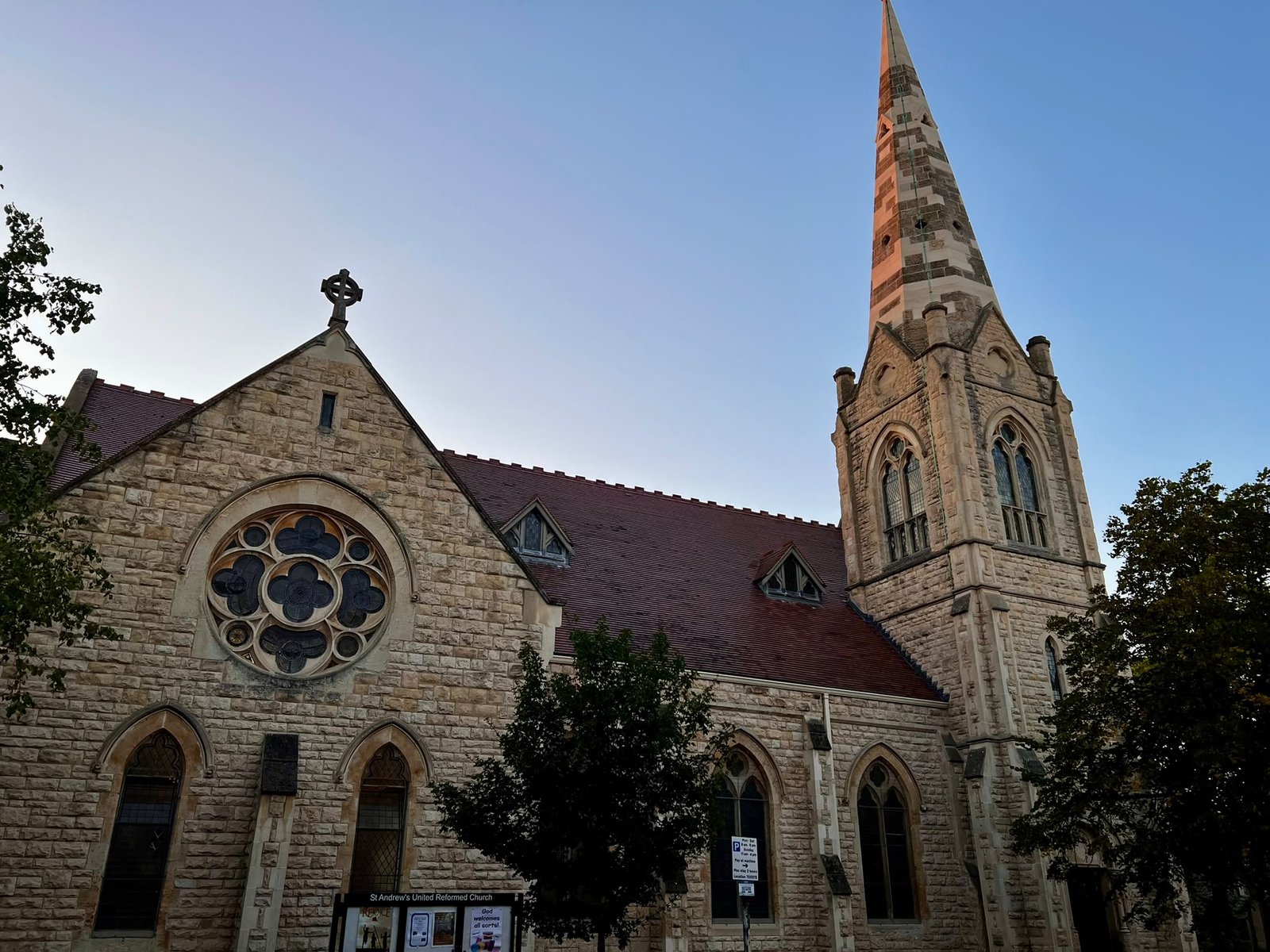
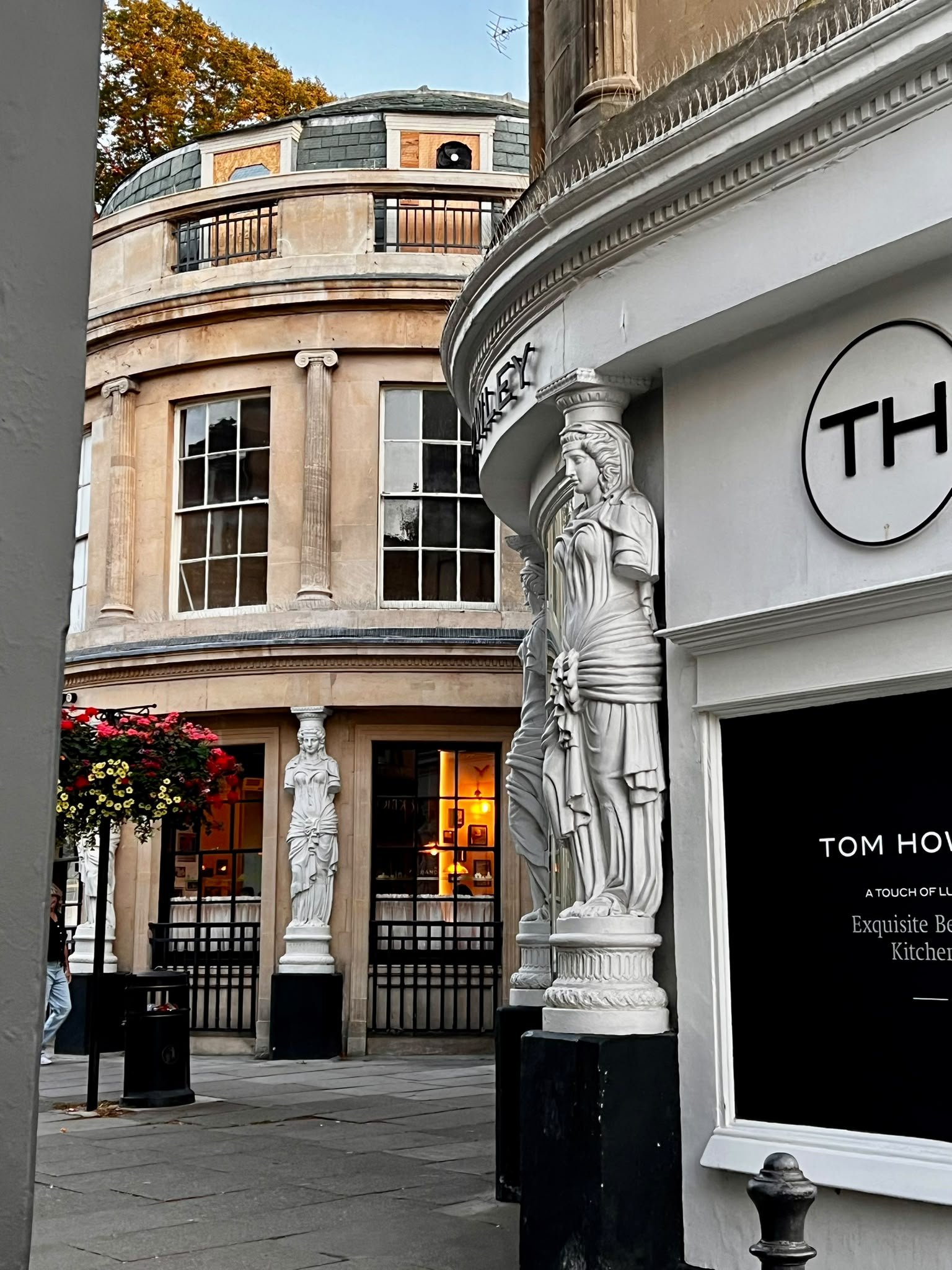
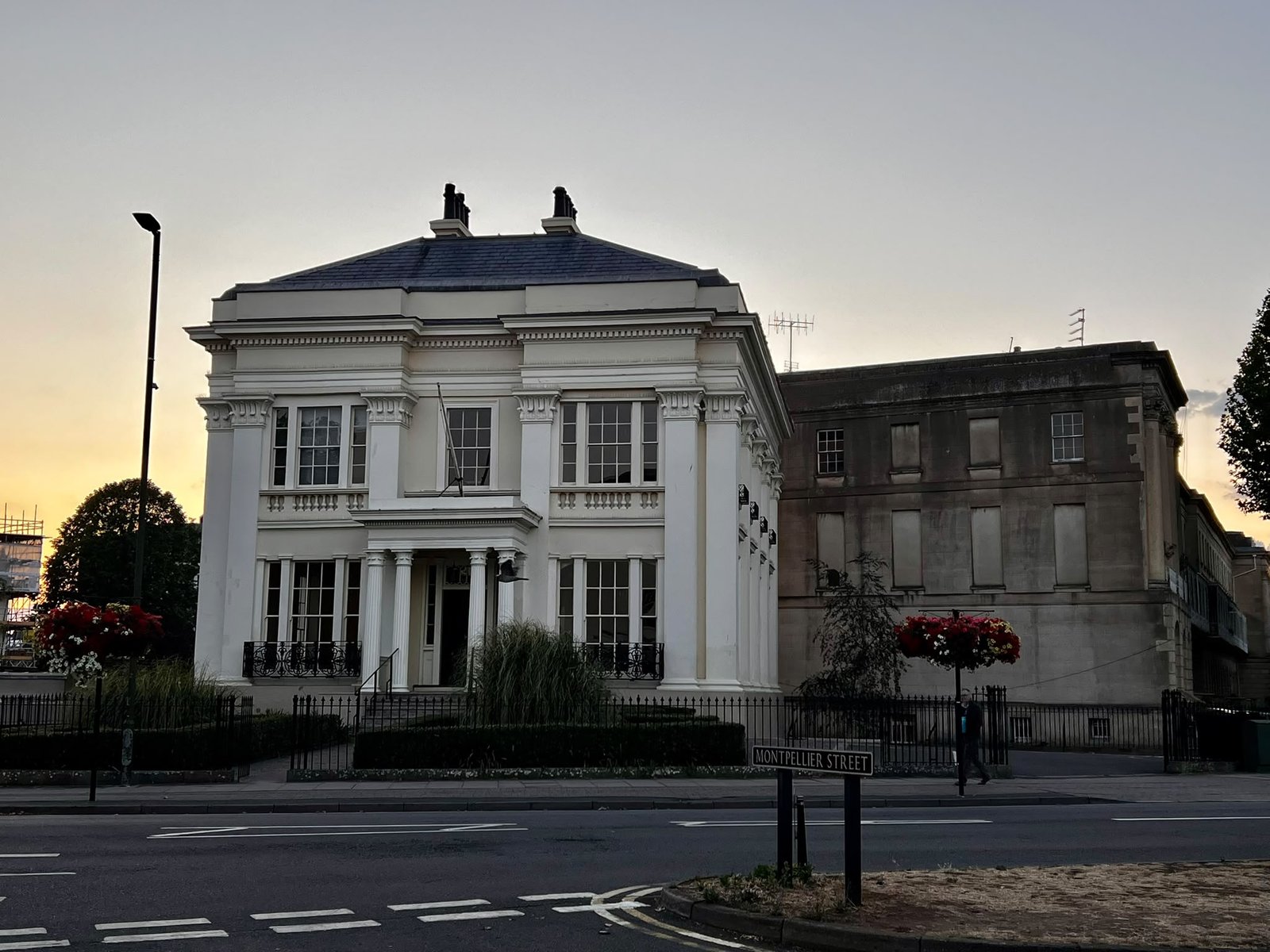
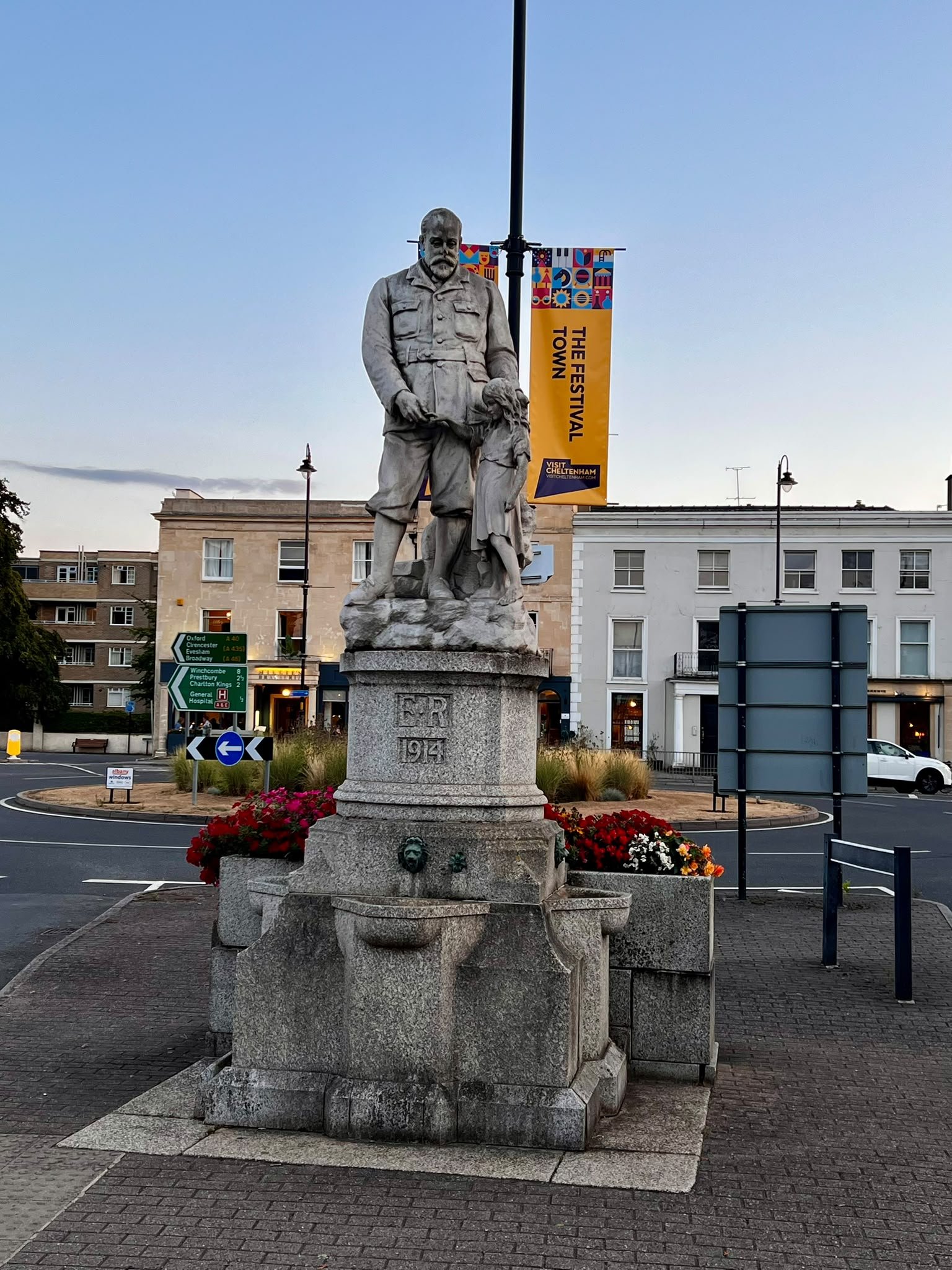
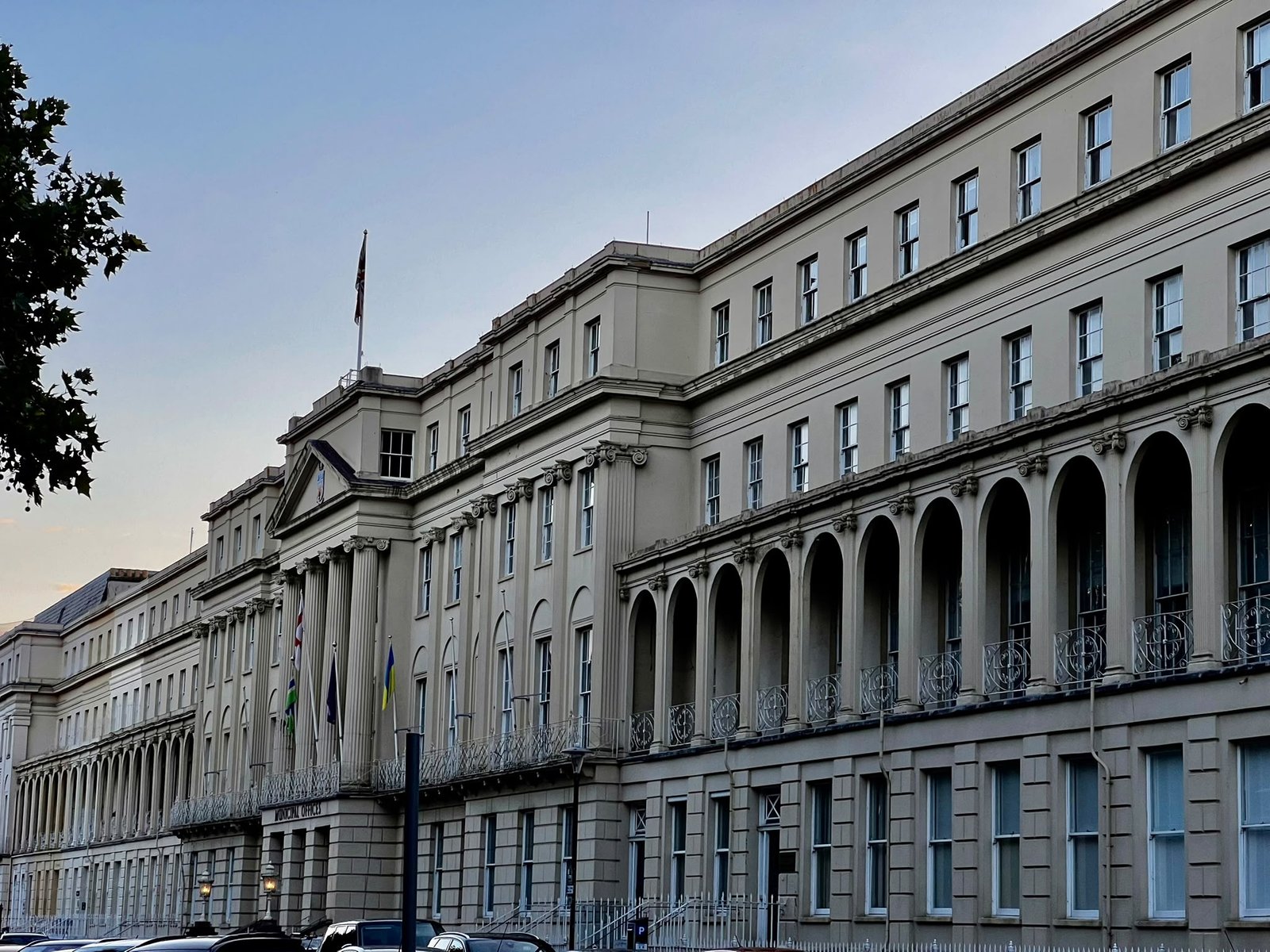
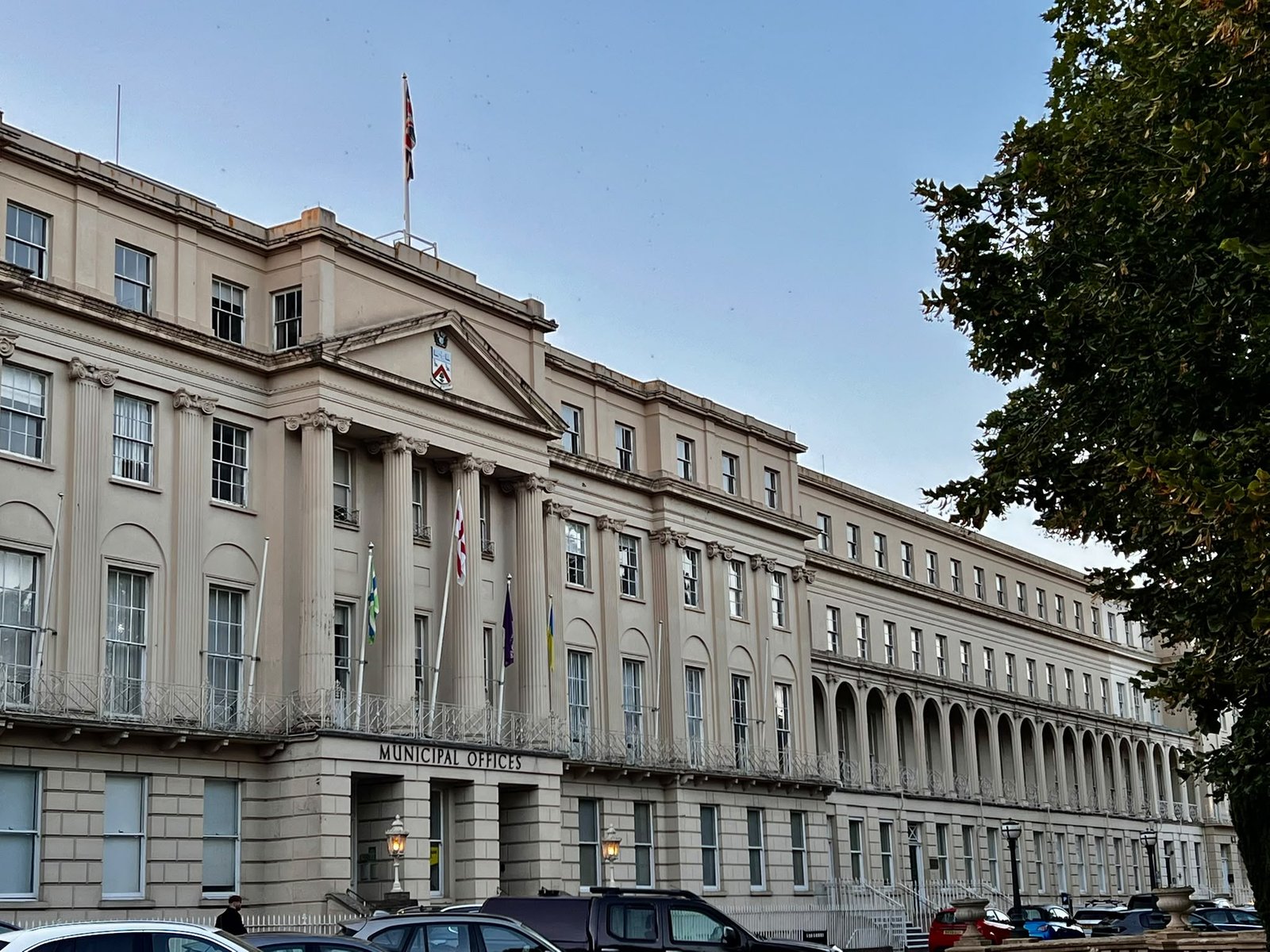
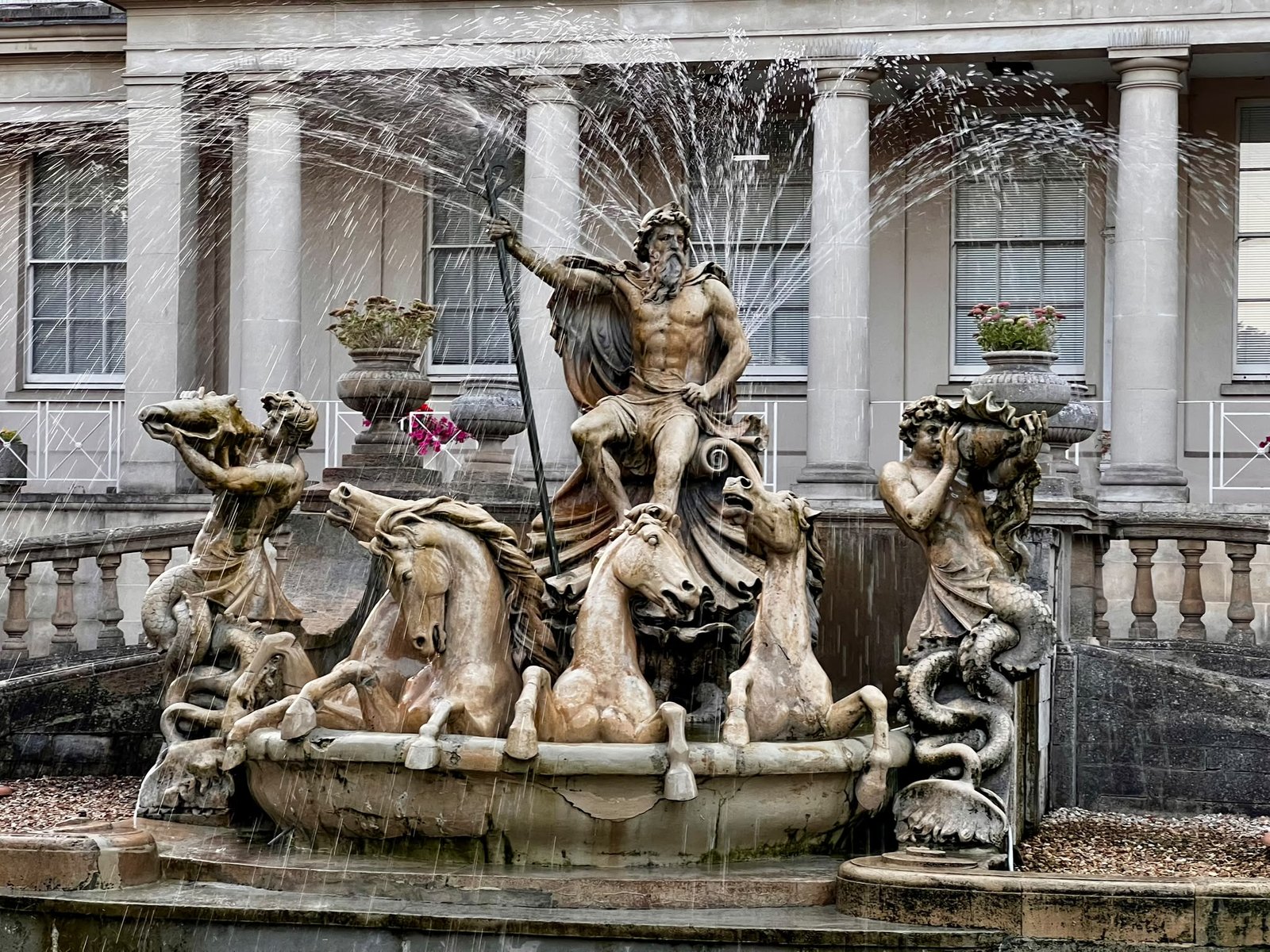
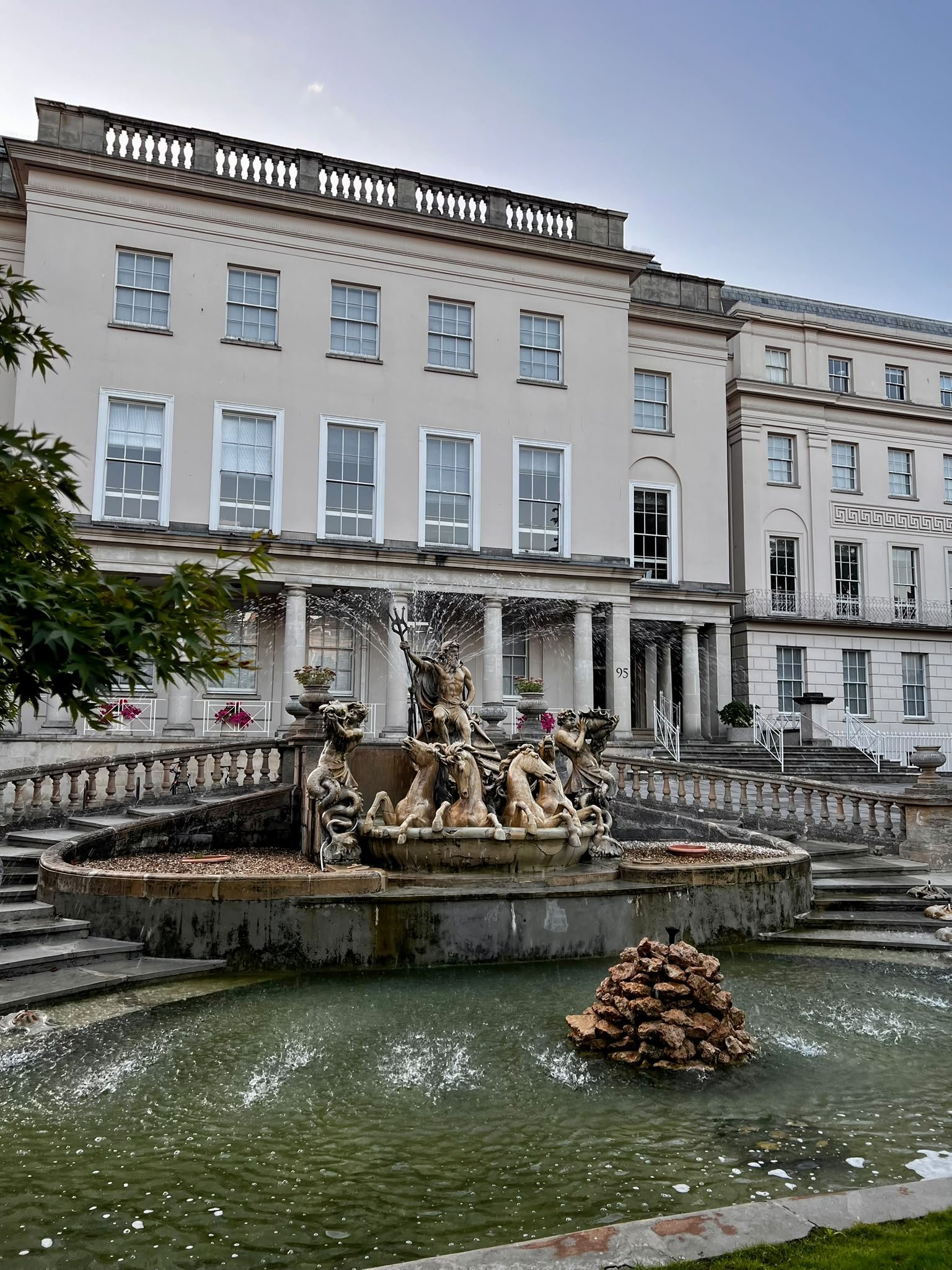
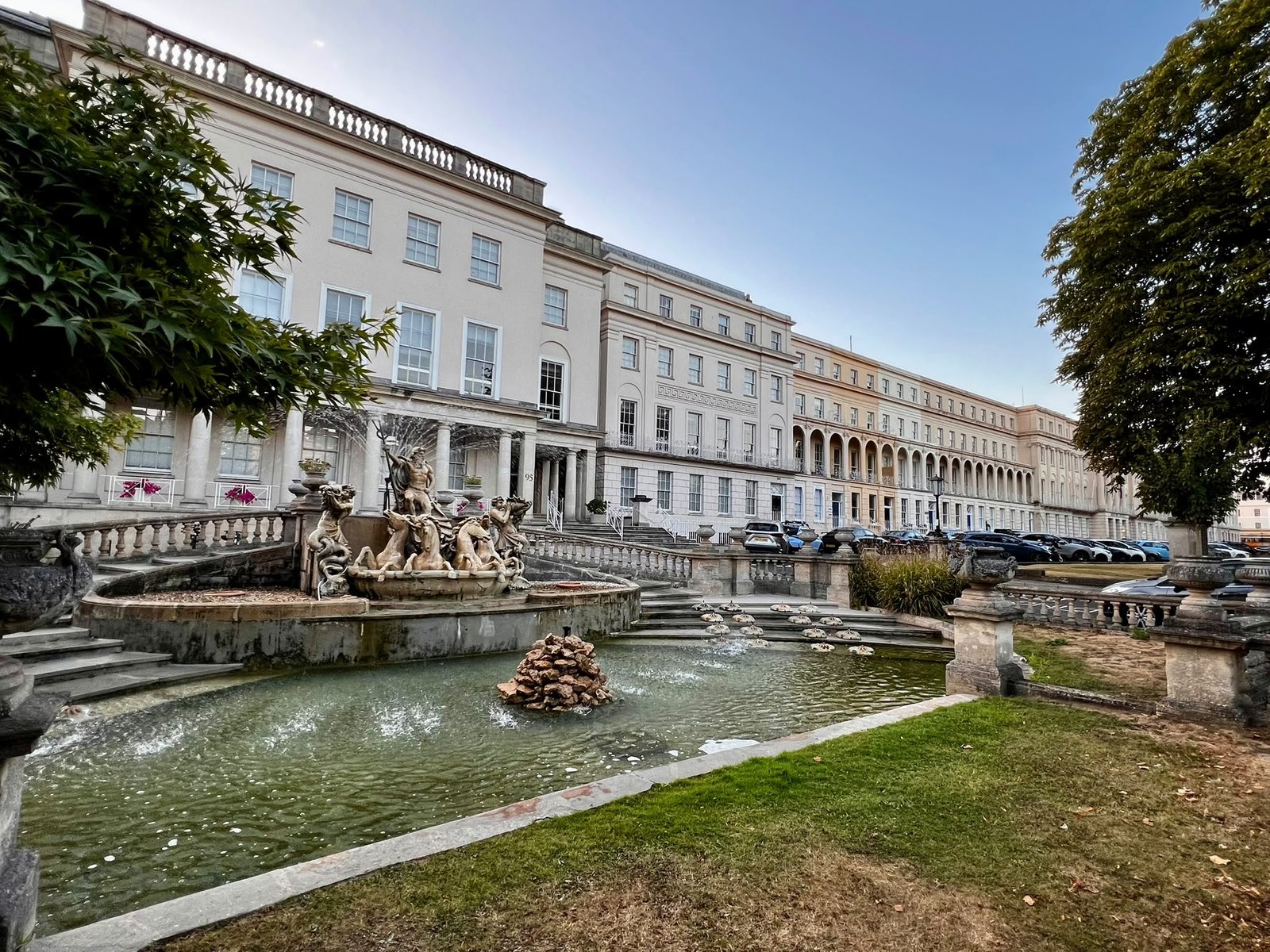
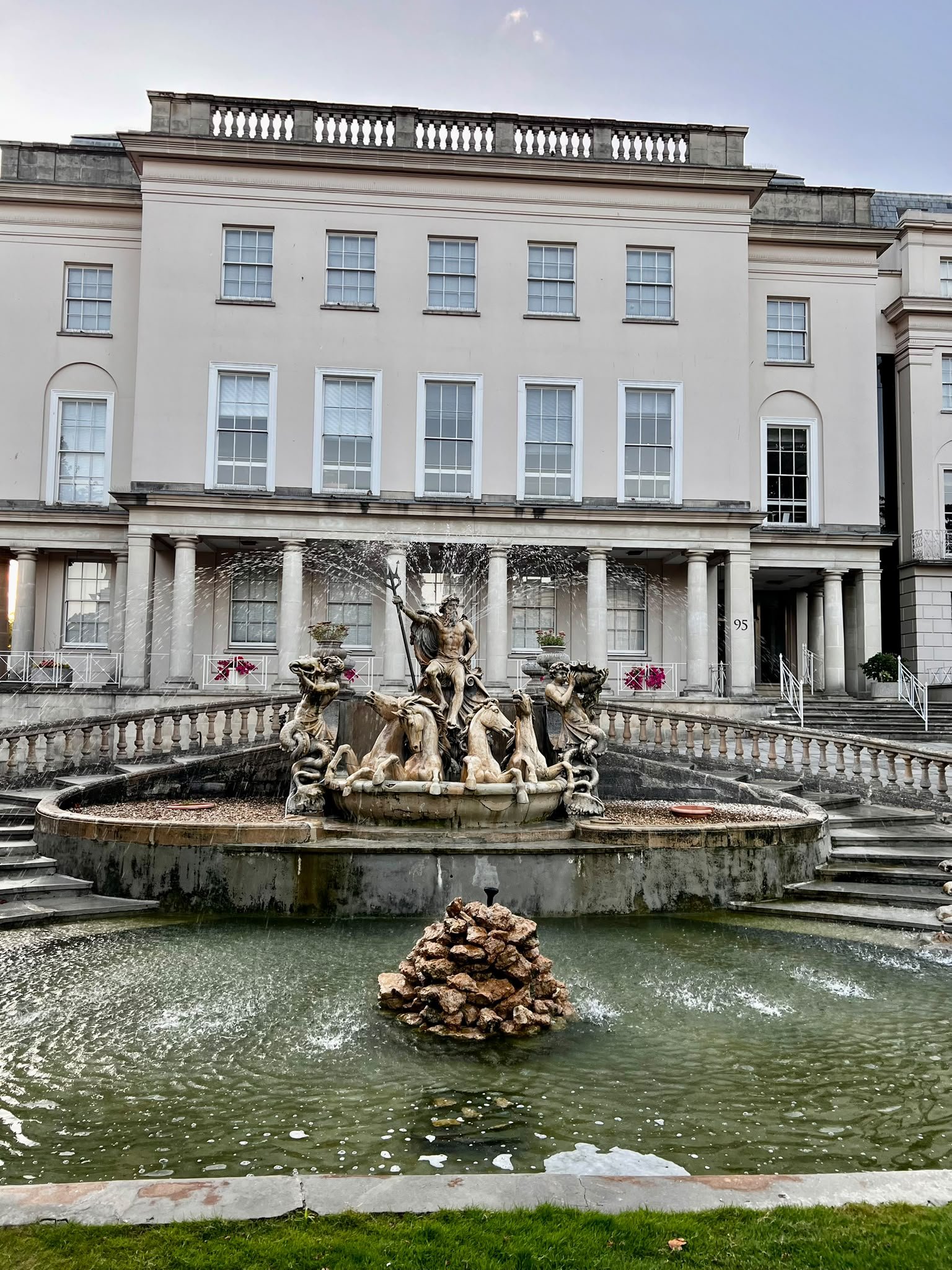
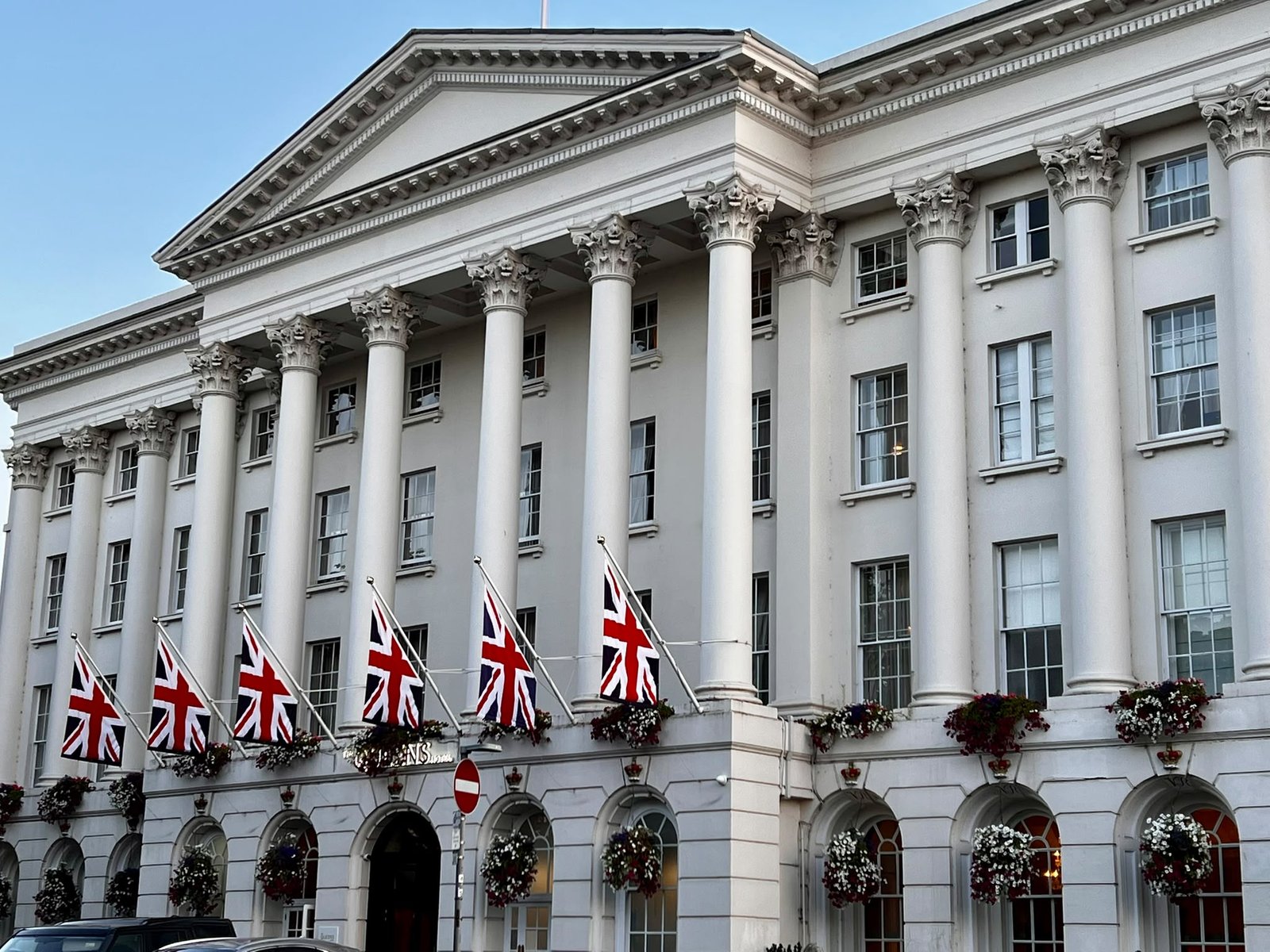
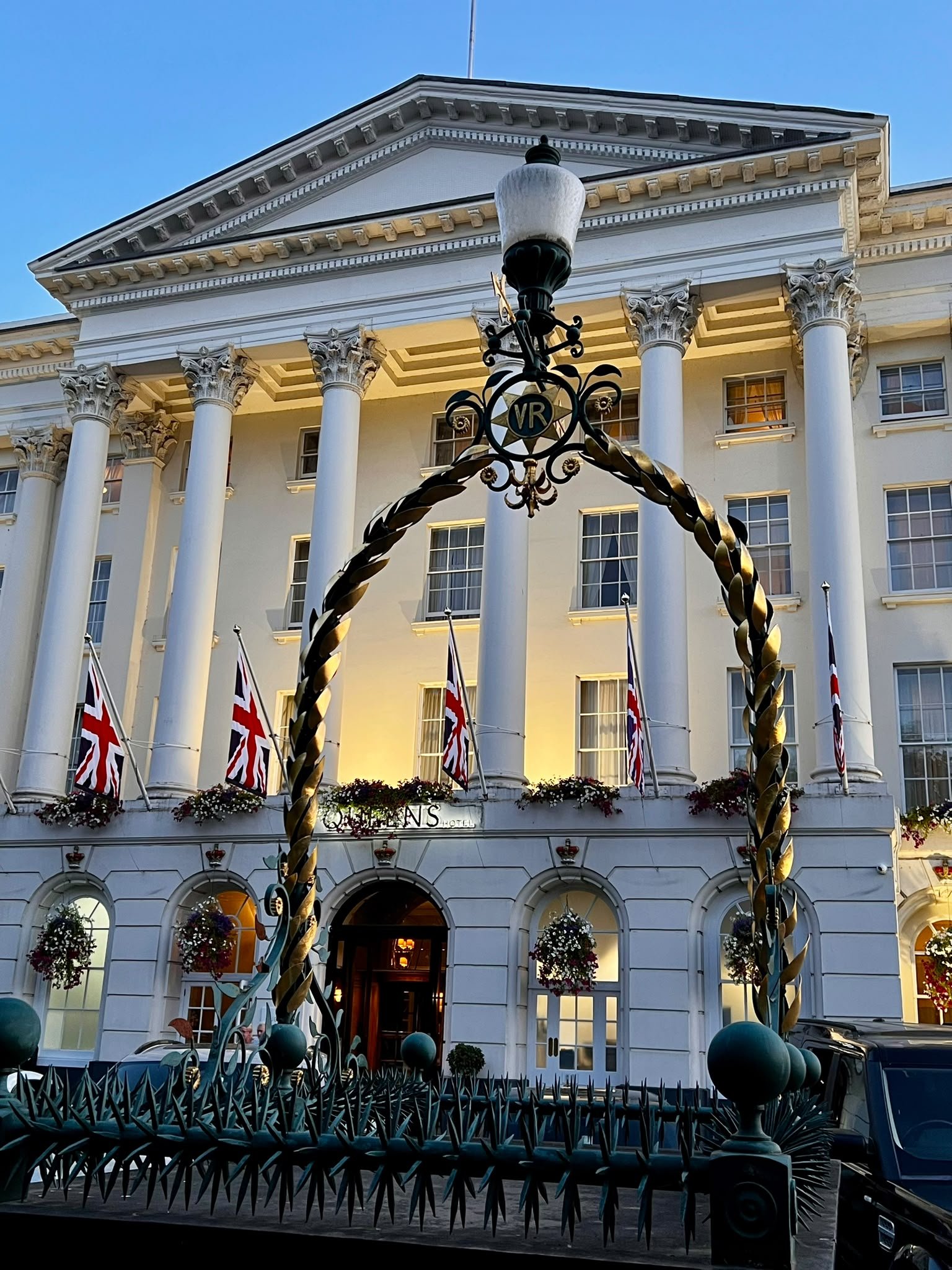
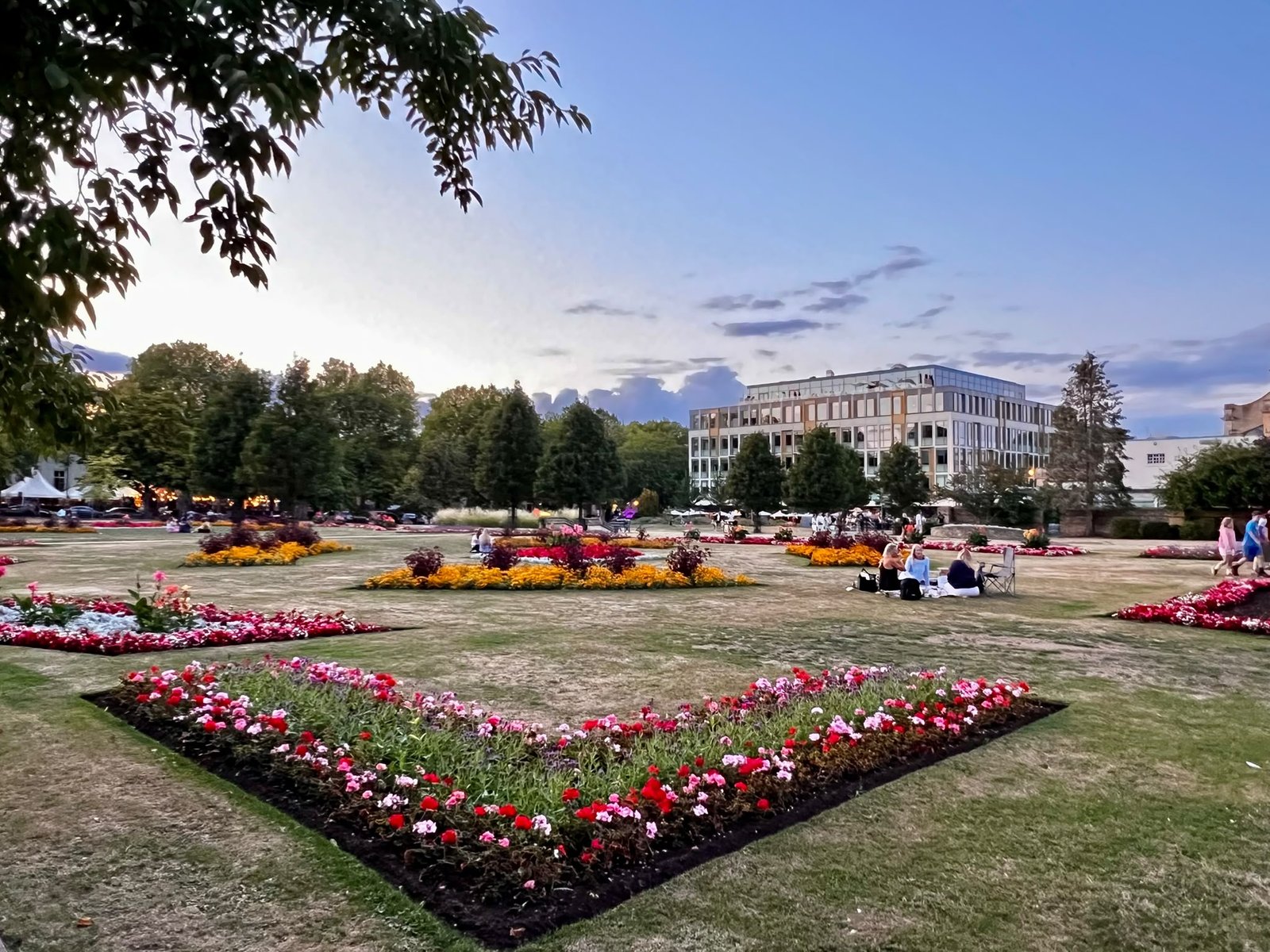
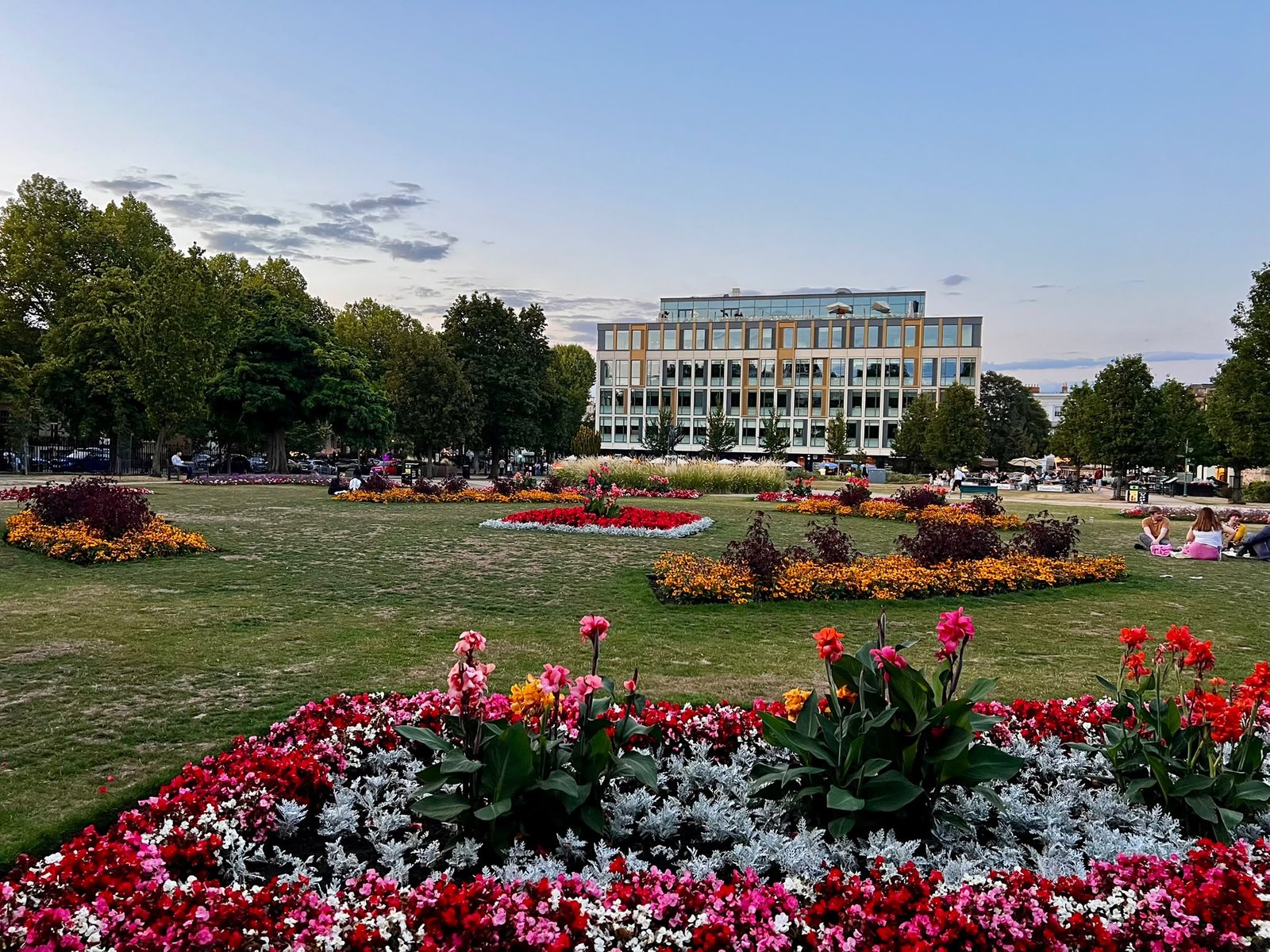
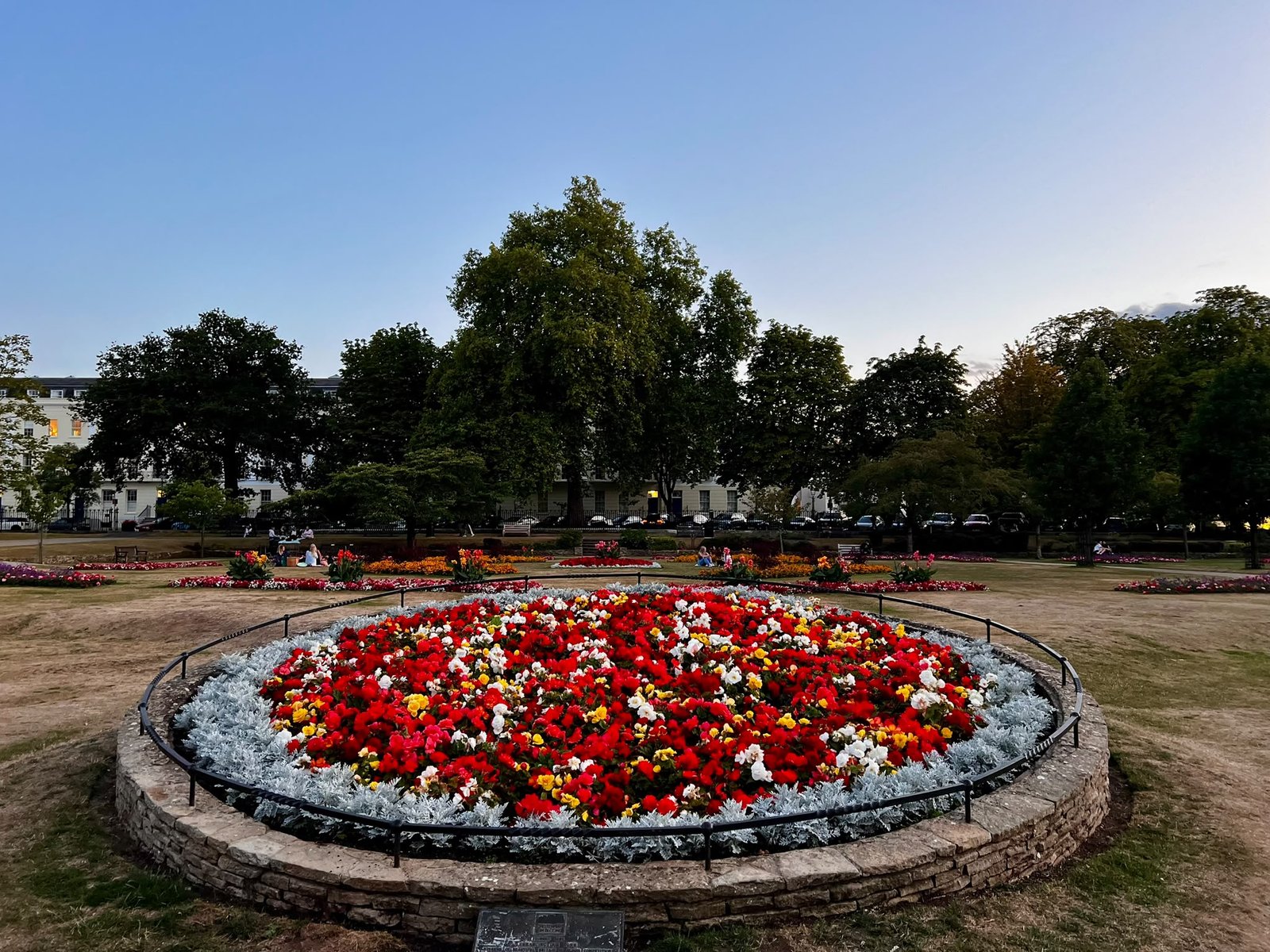
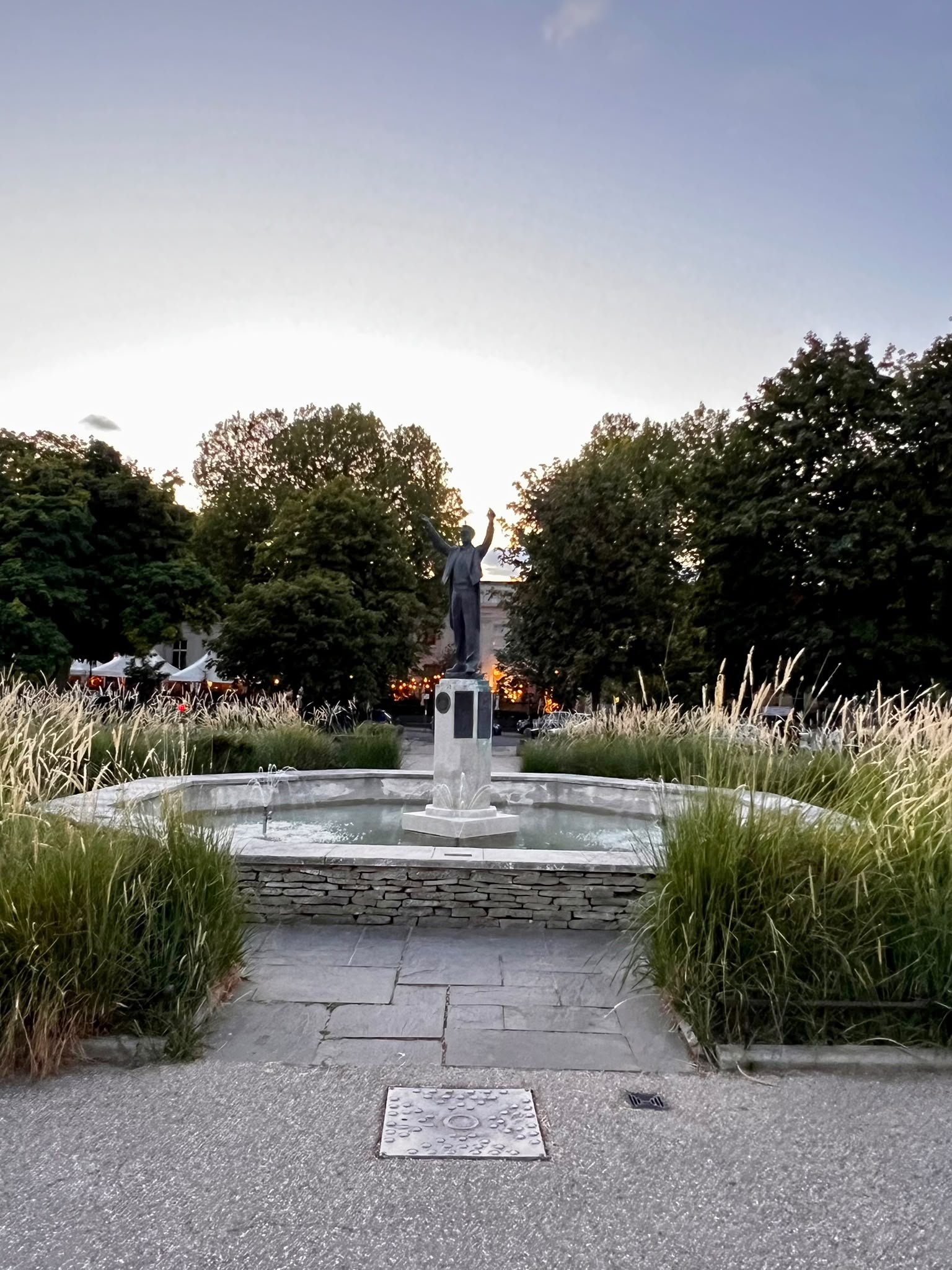
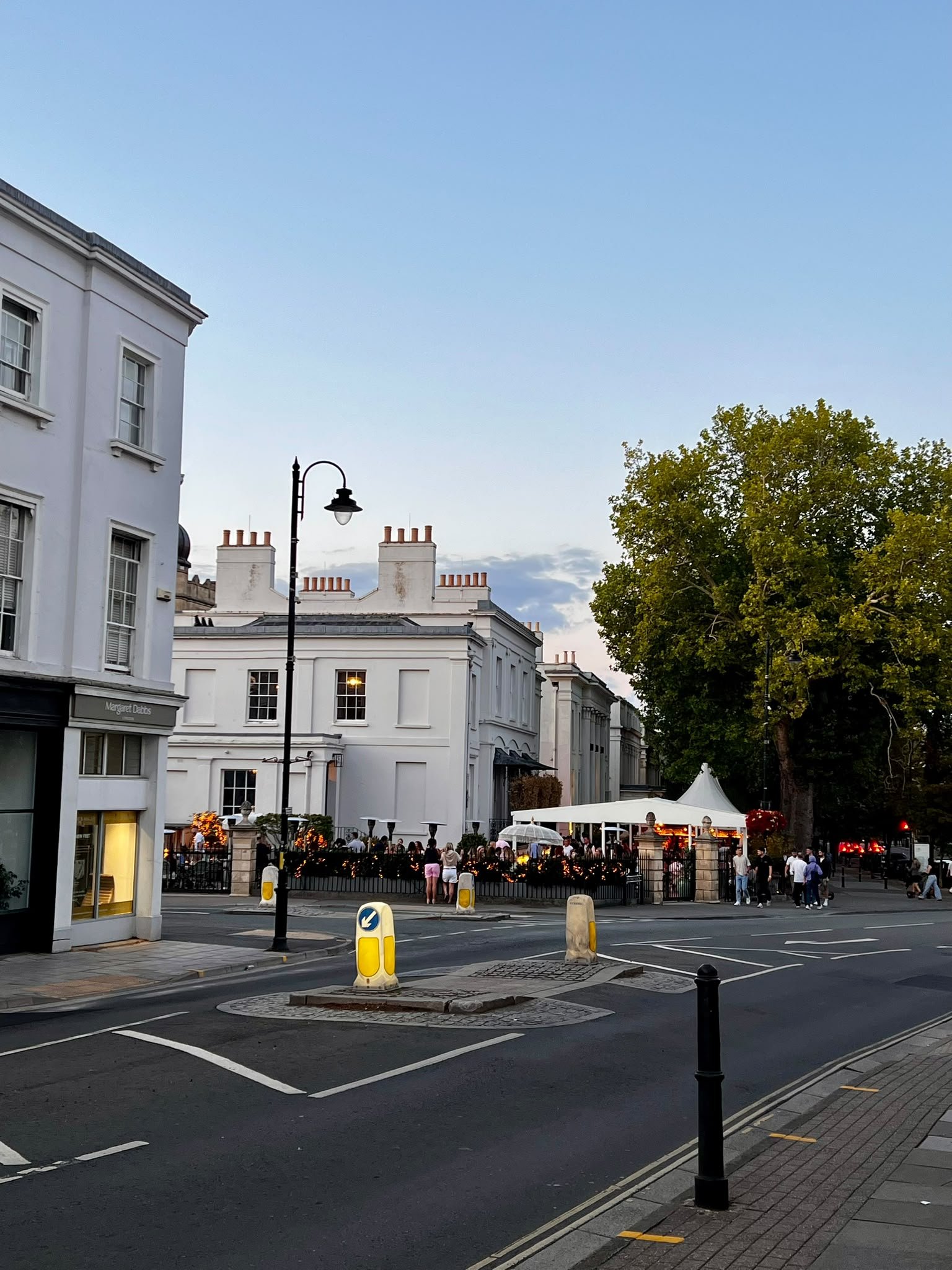
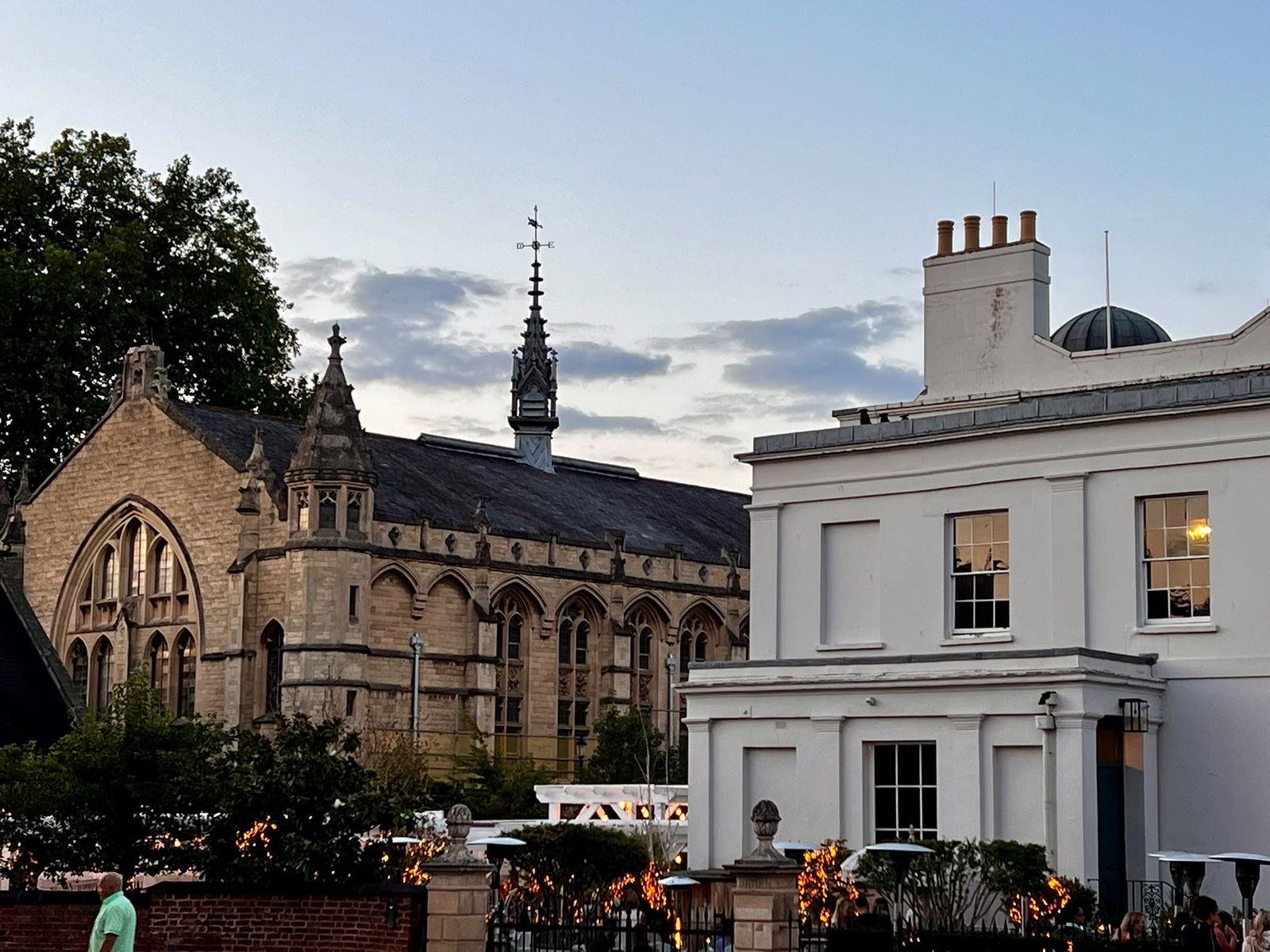
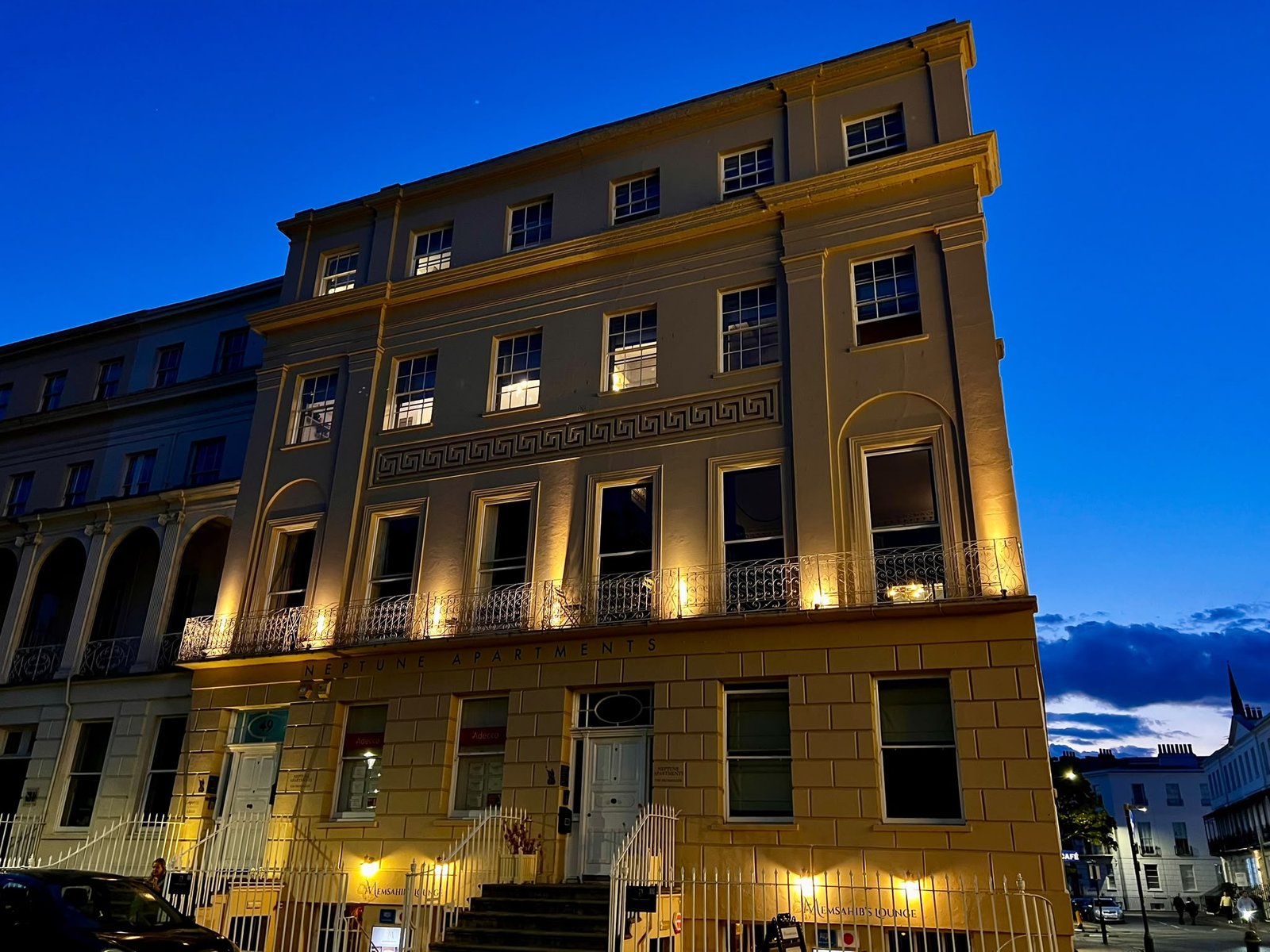
One of the impressive historic buildings we spotted while wandering through Cheltenham.Look beyond the Gothic buildings and you can spot the unusual onion-domed observatory of Cheltenham Ladies’ College.St Andrew’s United Reformed Church, a Victorian Gothic landmark in Cheltenham’s Montpellier district.The front of St Andrew’s United Reformed Church, with its large circular window and landmark spire.Look up around Montpellier and you’ll spot Cheltenham’s distinctive caryatids supporting the buildings above.A handsome Regency house on Montpellier Street as the evening light began to soften.Cheltenham-born Edward Wilson, remembered here for his role in Captain Scott’s ill-fated Antarctic expedition.The long Regency façade of Cheltenham’s Municipal Offices is one of the defining views along the Promenade.Cheltenham’s elegant Promenade is lined with some of the architecture that gives the town its distinctive character.Neptune’s Fountain on Cheltenham’s Promenade — smaller than I expected, but still one of the town’s most distinctive sights.Seen in its wider setting, Neptune’s Fountain sits surprisingly neatly among the Regency buildings of the Promenade.A wider look at Neptune’s Fountain and its setting along Cheltenham’s elegant Promenade.The theatrical detail is easier to appreciate once you stop expecting it to be the size of Rome’s Trevi Fountain.The grand Queens Hotel has overlooked this part of Cheltenham since the 1830s.The Queens Hotel beginning to glow as daylight faded — exactly when Cheltenham started becoming more atmospheric.Imperial Gardens was one of my favourite parts of Cheltenham — colourful, relaxed and especially lovely as evening approached.The formal planting stretches right across Imperial Gardens, giving the centre of Cheltenham a huge splash of colour.The colourful planting in Imperial Gardens made this one of my favourite places to stop rather than simply walk through.Sometimes the best part of exploring somewhere new is simply slowing down and seeing where the walk takes you.As daylight faded, Cheltenham didn’t wind down – it became noticeably more sociable.The combination of Regency architecture, evening light and people still out enjoying the town completely changed the feel of Cheltenham.Cheltenham’s pale Regency buildings took on a completely different character beneath the deep blue evening sky.The Hare and the Minotaur: not necessarily what I expected to encounter during an evening walk through Cheltenham.Neptune’s comeback. The fountain I’d thought looked rather small earlier suddenly became one of my favourite sights of the evening.
A Few More Reasons to Wander Cheltenham
Looking back through these photographs, what stands out most isn’t any single landmark. It’s how much the town changed over just a few hours.
Cheltenham gave us grand architecture, ridiculously colourful gardens, some unexpected details and, eventually, a much more impressive Neptune than the one I’d met earlier in the day. 😅
If you visit, give yourself time to wander rather than simply ticking off the obvious sights. Some of my favourite photographs came from things we happened to notice along the way.