
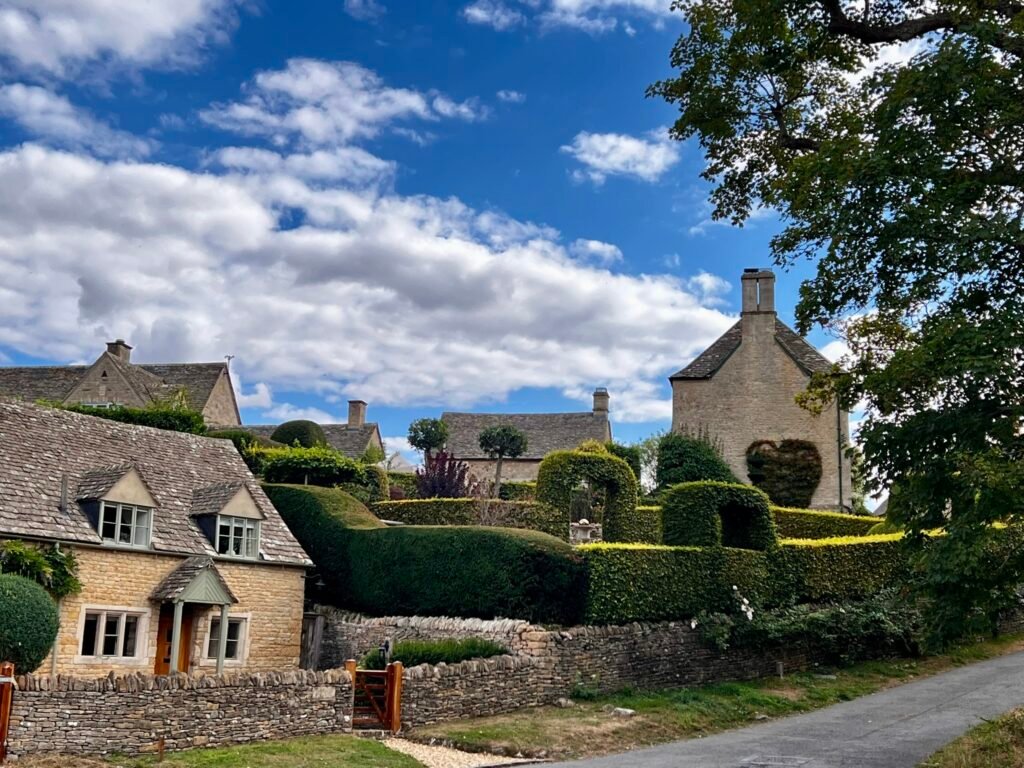
Upper Slaughter in the Cotswolds looks exactly like the sort of village you’d expect to find on the cover of a countryside magazine. Beautiful stone cottages, perfectly trimmed hedges, winding lanes and gardens that seem to have been designed specifically to make the rest of us jealous. But during our two-day Cotswolds adventure, I was beginning to wonder whether finding a peaceful, picture-perfect village was actually possible without sharing it with half the country.
The Cotswolds Fairytale Meets Reality
We had been exploring one lovely village after another, and Upper Slaughter was firmly on our list. The scenery certainly didn’t disappoint. Every turn seemed to reveal another beautiful building, another carefully maintained garden or another little corner worth photographing.
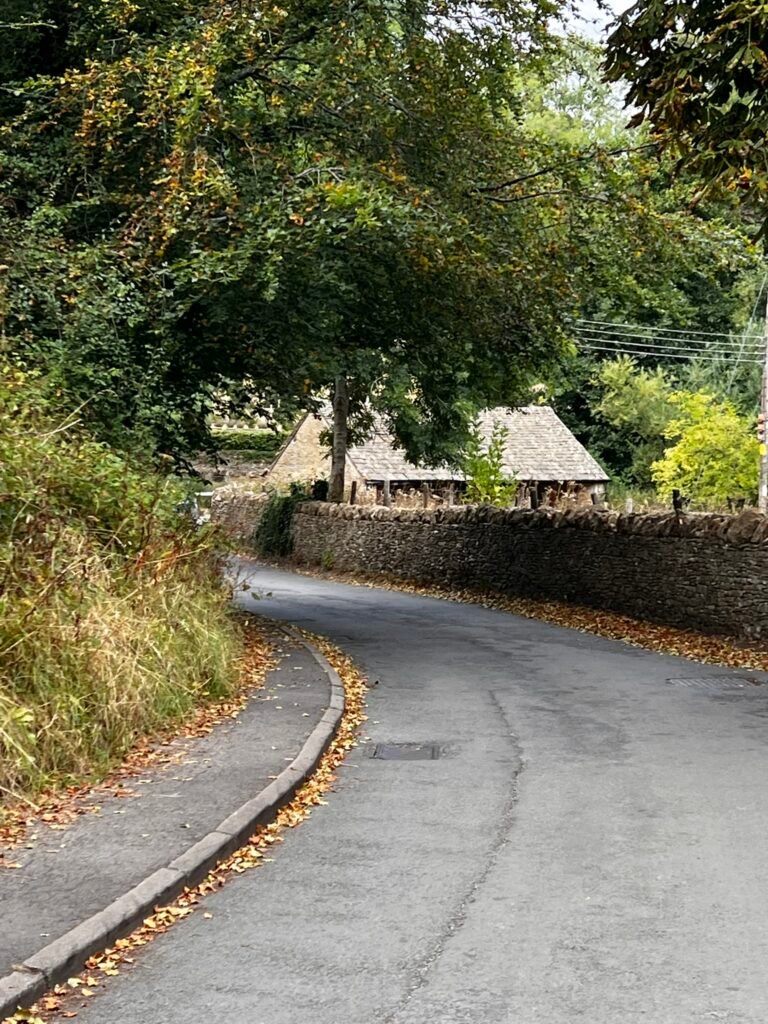
Unfortunately, the Cotswolds had been considerably busier than we’d imagined. We’d pictured leisurely drives, quiet strolls and perhaps a little time to sit somewhere with a coffee. Instead, some places felt like everyone in Britain had arranged to visit on exactly the same day.
Upper Slaughter was beautiful, but the busy atmosphere meant we didn’t linger for nearly as long as we might have liked. We admired what we could, took a few photographs and continued exploring. Our pictures make the village look wonderfully peaceful, which is rather impressive considering how different the experience sometimes felt!
Why on Earth Is It Called Upper Slaughter?
I have to admit, the name doesn’t exactly sound like an invitation to a relaxing countryside escape.
Fortunately, there’s nothing particularly gruesome behind it. The name is believed to come from the Old English slohtre, referring to a muddy or wet place. The nearby River Eye runs through both Upper and Lower Slaughter, and the name probably reflects the area’s original landscape.
So, despite sounding like the title of a medieval murder mystery, Upper Slaughter is essentially named after mud.
Somehow, that makes it even more charming.
And speaking of the Middle Ages, there’s another surprise hiding in this little village: it once had a castle!
The remains of a Norman motte-and-bailey castle survive as earthworks known as Castle Mound. There are no impressive towers to photograph today, but Historic England’s official record confirms that excavations uncovered evidence of medieval buildings and pottery.
Imagine that. A village barely big enough to explore without noticing everyone’s front garden once had its own fortified stronghold.
Even the Houses Have Famous Connections
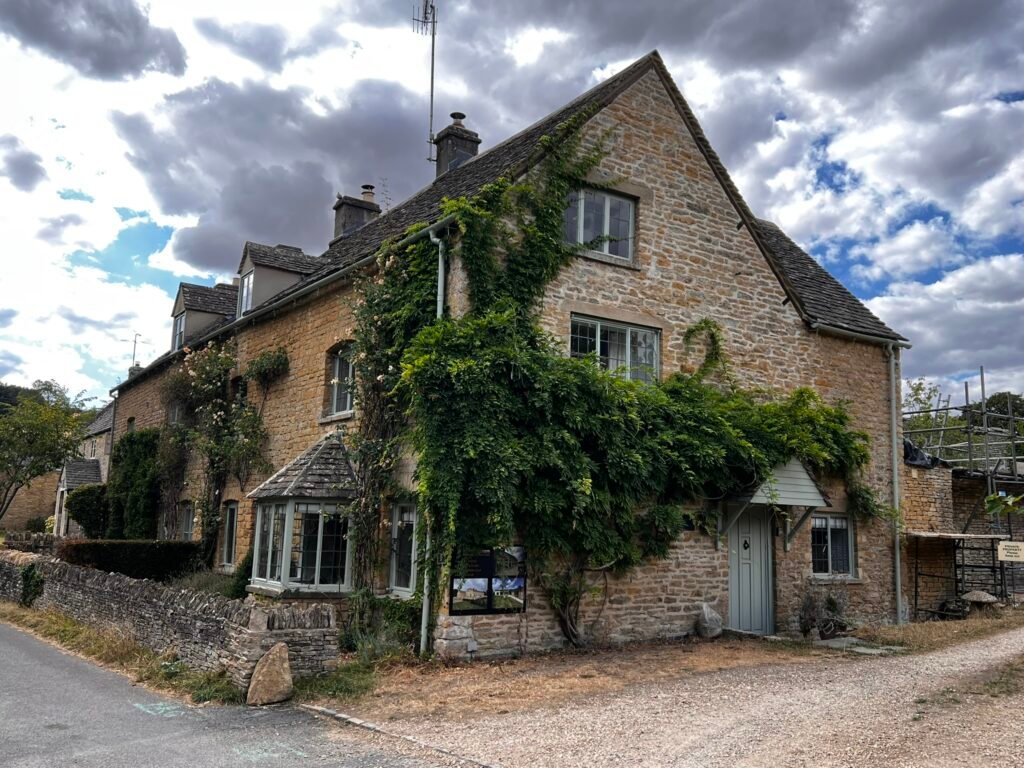
One thing I particularly enjoyed was the architecture. The honey-coloured stone, traditional windows and climbing greenery make even an ordinary cottage look like something out of a storybook.
But some of these houses have a rather impressive architectural connection.
A group of cottages at Baghots Square was reconstructed in the early 20th century, with the design attributed to Sir Edwin Lutyens. That name might not mean much at first, but he’s also known for designing the Cenotaph war memorial in Whitehall, London.
Yes, the architect associated with one of Britain’s most recognisable national memorials also helped shape the appearance of this tiny Cotswolds village.
And here I was, mainly admiring the windows and wondering how much time the residents spend maintaining their gardens.
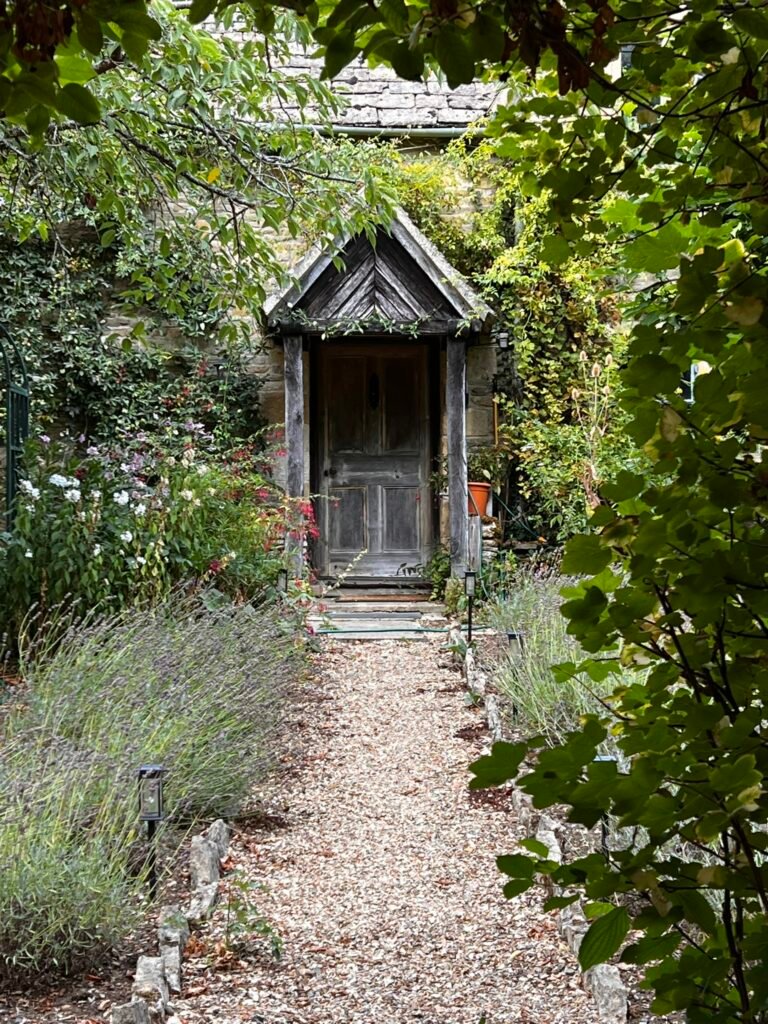
That beautiful little doorway really caught my attention. I could quite happily imagine living somewhere like this, until I remembered how many tourists might be taking photographs outside.
Imagine opening your front door in your dressing gown, coffee in hand, only to discover that you’ve accidentally become someone’s holiday photograph!
It’s a funny thought, but also a reminder that these wonderful buildings are often people’s actual homes, not attractions. A little consideration goes a long way.
A Village With an Extraordinary Reason to Be Thankful
Here’s my favourite discovery about Upper Slaughter, and it’s something I knew absolutely nothing about when we visited.
Upper Slaughter is one of Britain’s rare doubly thankful villages.
A Thankful Village is a community where all those who went away to serve during the First World War returned home alive. A doubly thankful village achieved the same remarkable outcome during the Second World War.
According to Historic England’s research into Thankful Villages, Upper Slaughter’s village hall records the names of 24 men and one woman who served during the First World War and returned. During the Second World War, another 36 went away and all 36 came home.
When you consider how devastating those conflicts were for countless communities across Britain, it’s an extraordinary piece of local history.
And suddenly the rather unfortunate name feels wonderfully ironic.
St Peter’s Church: Centuries of Village Life
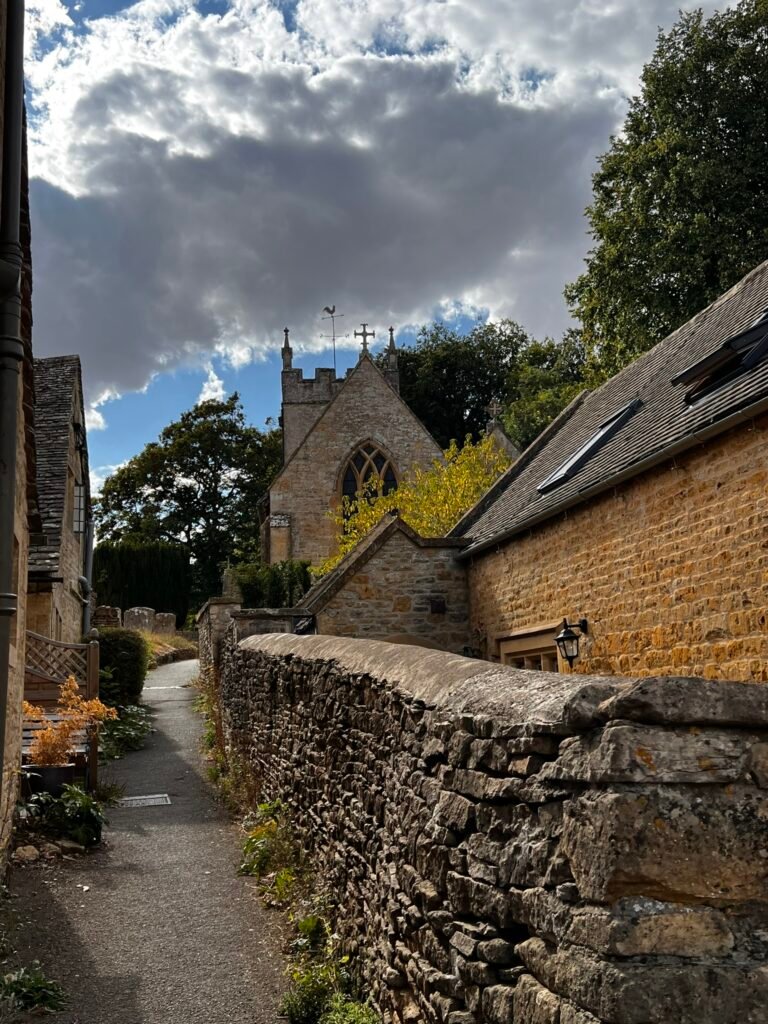
Following the little paths and old stone walls brings you towards St Peter’s Church, another reminder that Upper Slaughter has a much longer story than its pretty cottages might suggest.
The church contains architecture dating back to the 12th century, with alterations and additions made over the following centuries. It’s now a Grade II* listed building, recognised for its particular historic and architectural importance.
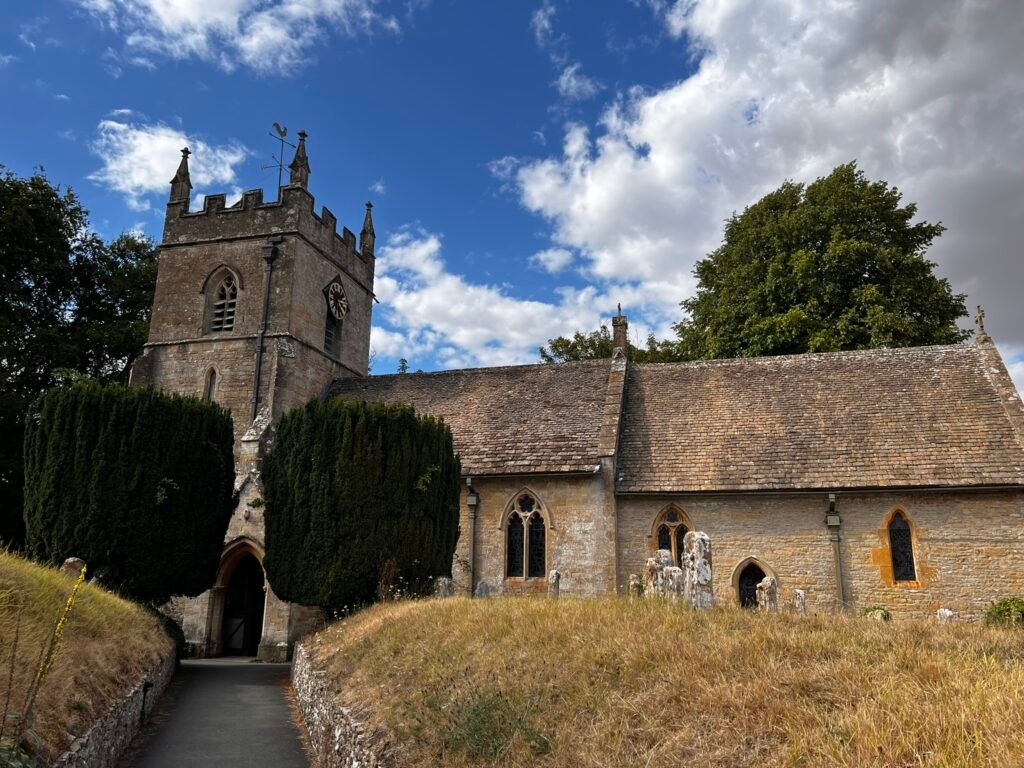
Its medieval stonework, churchyard and traditional Cotswold setting certainly make it worth stopping to admire. We didn’t explore the interior on this visit, but Historic England’s detailed church listing reveals that it contains Norman carvings, historic memorials and stained glass.
That’s quite a collection of treasures behind an otherwise unassuming village church.
Is Upper Slaughter Worth Visiting?
Absolutely, although I’d recommend approaching it as somewhere to enjoy slowly rather than somewhere to rush through collecting photographs.
Upper Slaughter is in Gloucestershire, close to Bourton-on-the-Water and its neighbouring village, Lower Slaughter. The two Slaughters are linked by a countryside footpath of roughly a mile, making them a lovely combination for anyone who prefers walking to repeatedly searching for parking spaces.
There is no charge to wander around the village’s public roads and paths, but parking is limited, particularly around the Square. If you’re driving, check local signs carefully and avoid blocking narrow lanes, residents’ access or gateways. St Peter’s Church is also worth considering, although opening arrangements should be checked beforehand.
My advice would be to visit early in the morning or outside the busiest holiday periods if you’re hoping for that peaceful Cotswolds atmosphere. The scenery isn’t going anywhere, and it’s much nicer to appreciate it without feeling hurried.
Of course, Upper Slaughter was only one chapter in our rather eventful trip. We also discovered Broadway Tower, which became one of my favourite stops, and spent a night in Cheltenham. Meanwhile, the crowds in Bourton-on-the-Water provided a rather different perspective on the Cotswolds dream. For a contrast, our early-morning wander through [Stanton — COMING SOON] was wonderfully calm at seven, although we can’t promise it stays that way later in the day.
I’ll be bringing all those experiences together in [our two-day Cotswolds road trip guide — COMING SOON], including the places I’d happily revisit and those I’d approach differently next time.
One More Stop Worth Making?
Upper Slaughter is undeniably beautiful. But what makes it genuinely memorable isn’t simply the architecture or its perfectly maintained appearance. It’s discovering that behind those lovely stone walls lies a village with a medieval castle, a connection to a famous architect and one of the most remarkable wartime stories I’ve encountered.
I might not have found the peaceful Cotswolds escape I was expecting, but I certainly found a place worth learning about.
And perhaps that’s what makes a good Quick Stop. You don’t have to spend hours somewhere to discover something fascinating. Sometimes you just need to stop, look around and find out what stories are hiding behind the scenery.
One journey. One story. One more stop.